










Things to Consider Before Implementing Packaging Automation
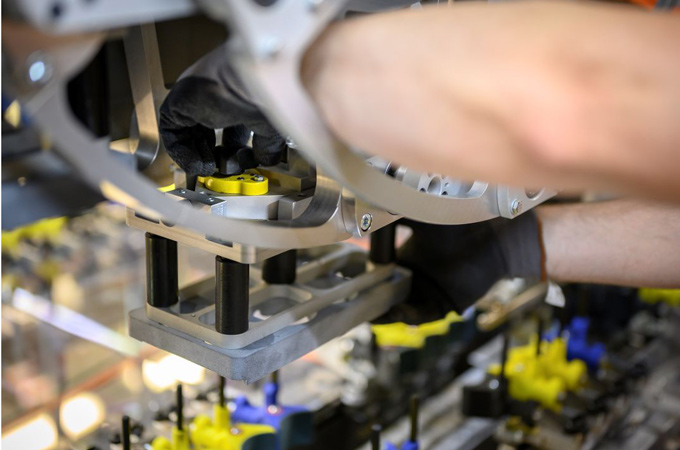
Packaging automation is one of the most valuable tools producers and manufacturers have in today’s market landscape. Businesses that implement automated solutions can reduce business process costs by 25% to 40% on average, while significantly increasing productivity. Automation offers the potential to streamline operations, reduce costs and enhance productivity for businesses seeking to grow their operations efficiently and sustainably.
However, choosing and implementing an automated packaging solution comes with many considerations, and mistakes made early in the process can often manifest as excess downtime, excess labor costs and lost profits. So, how do you choose the right automated packaging solution for your business, and how do you ensure that you’ve prepared for the process of implementing and maintaining that solution for years to come? Our experts in automated packaging solutions offer these tips.
1. Evaluate your current packaging system to determine if this is the right time for automation.
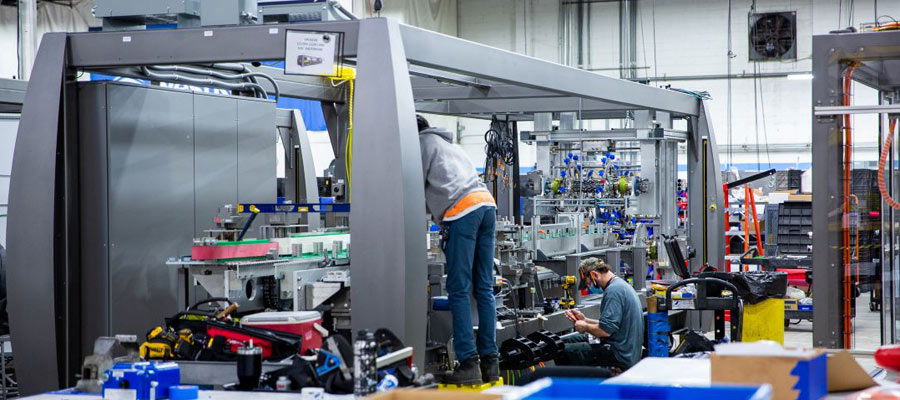
When it comes to adopting packaging automation, there’s some truth to the saying: Just because you can doesn’t mean you should. While packaging automation might reduce manual labor and increase your output speed, it’s possible your business may not need faster output for some time. And if it doesn’t absolutely need it, it’s hard to justify making a large investment in automated machinery.
Here are five points to evaluate when thinking about whether the timing is right for packaging automation:
- Speed. If your line can’t keep pace with demands or struggles with bottlenecks, it may be time for an upgrade.
- Flexibility. Today’s lines must handle SKU changes, evolving sustainability requirements and multiple packaging formats.
- Reliability. How much downtime is your machine experiencing? How much time and money is the business spending on maintenance?
- Quality. Packaging automation is expected to deliver consistent, dependable performance with less errors than manual packing. Automation that provides tracking and traceability are also important in meeting retailer requirements.
- Labor. Upgraded modern lines help reduce ergonomic risks, improve safety and allow teams to shift toward higher-value work.
2. Plan for your automated packaging solution.
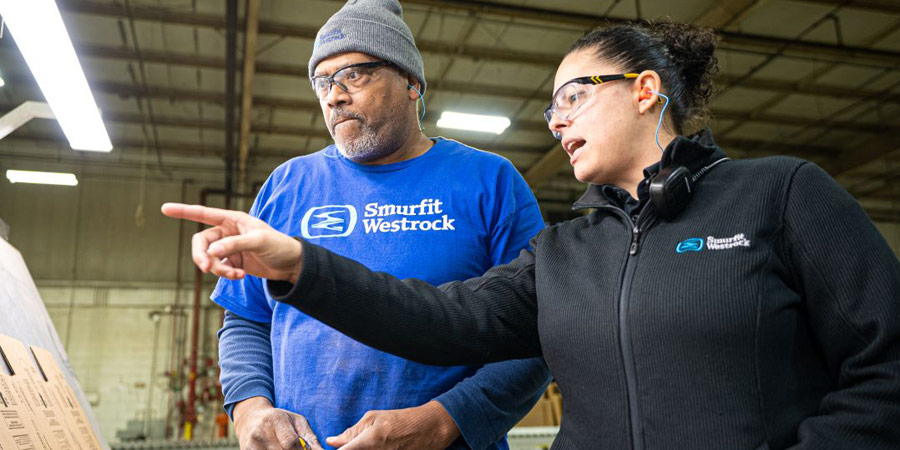
Planning is arguably the most critical step in the process of automating your packaging line. A strong, comprehensive plan that addresses the areas discussed below is critical in ensuring your success.
Identify your packaging needs. Before moving forward with any decisions, it’s important to conduct a thorough review of your business operations and consider where automation can have the greatest impact. This is the time when you’ll benefit most from bringing in expert help. Smurfit Westrock has packaging consultants who can work with you and your team directly to identify inefficiencies or bottlenecks that automated solutions can address. They can also help isolate the areas of greatest need within your business.
Consider what the packaging line might need in the future. Before implementing automation, it’s important to align the machinery with both short-term and long-term business goals. Markets change, and so will your business needs. Consider if the system supports your growth plans. Is it adaptable enough to meet future needs? Do you need to address multiple distribution channels with this solution?
Think about your packaging design. If you could make your design more efficient, this might be the perfect time to make the switch to more sustainable packaging.
Look for solutions that offer flexibility to accommodate evolving market conditions. In addition, consider a packaging partner that offers automated solutions tailored to your specific product and that has the expertise to help you plan for the long term.
"The benefit of working with a packaging partner that supplies both materials and machinery is immense,” says Craig Buscema, Director of Business Development at Smurfit Westrock. " We can tailor a solution to performance-match packaging designs with the equipment and develop a complete automation solution to fit their needs. An integrated approach with packaging machinery and materials designed to work together simplifies planning and provides a more unified automation strategy."

Create a thorough and comprehensive plan. Developing an automation plan that accounts for all aspects of your operation, from branding and engineering to production and maintenance, is key to a successful implementation that will benefit every part of your business. It’s valuable to work on this plan with packaging experts who understand both your goals and the available solutions. Sometimes those outside your organization will see what you might not.
When forming your plan, think about:
- The Budget. Clarify your investment range and expected ROI over a set timeframe (for example, the next 3–5 years).
- Space constraints. Account for footprint limitations and look for modular or compact solutions where needed.
- Speed and formats. Talk to your marketing and commercial teams about sales channels that have specific requirements. Define target run rates and identify any future packaging formats or sustainability shifts.
- Labor requirements. Consider how staffing will evolve post-upgrade, including operator training.
- Having the right packaging automation supplier. Choose a partner that provides engineering and design expertise, performance-matched materials, testing support and long-term service—not just equipment.
3. Ensure the success of the implementation.
New systems have the potential to disrupt your current business and cause unforeseen problems down the line if you don’t plan for transitional troubleshooting. It is possible to identify and plan with your packaging partner to address the possible issues before they arise to save you and your team time and, potentially, money. (Not to mention more than a few headaches.)
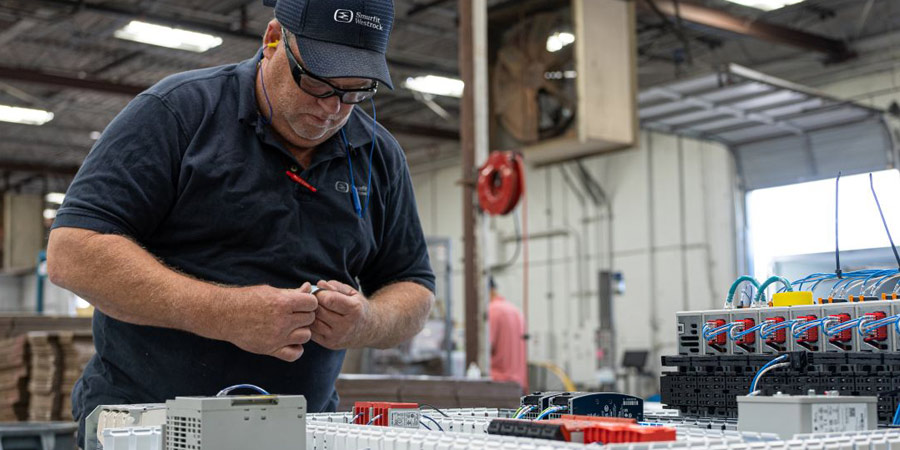
Invest in training and upgrading skills. This is an aspect of the process often overlooked by business owners. As automation systems become integral to your operations, investing in employee training is essential. Proper training ensures that your team is equipped to utilize the technology effectively, leading to higher productivity and fewer errors. Furthermore, fostering a culture of continuous learning helps employees adapt to new technologies, ultimately building a more resilient workforce.
Consider the success of Bobo’s, a snack brand that worked with our consultants not only to implement a new automated solution, but also to train employees in new processes.
“[They] increased the efficiency of our facility and helped us streamline and organize across our whole facility, warehouse production … everything,” said Bobo’s EVP of Operations, Rob Streight.
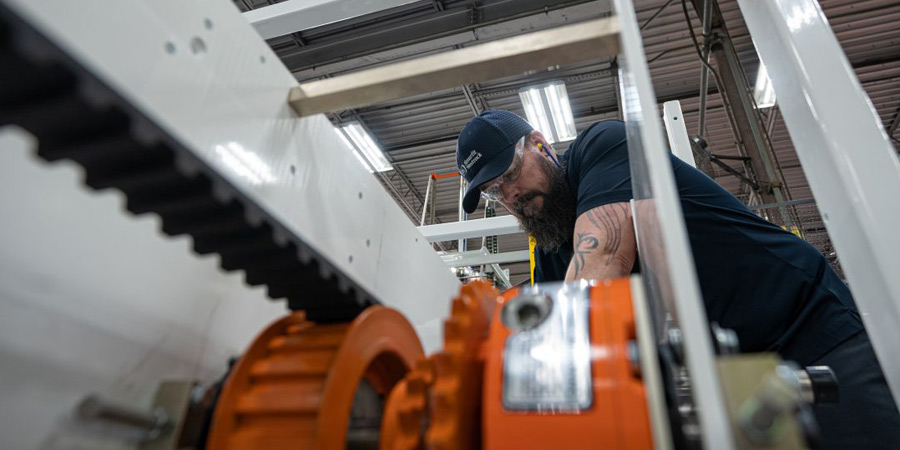
Maintenance and support. Long-term maintenance is needed for sustaining the benefits of automation. Partnering with a provider that offers comprehensive in-house service options ensures that you have access to support and upgrades when needed, and that you don’t have to play phone tag contacting different providers if something goes wrong.
“We take ownership for the final result,” said Nicki Parker, Smurfit Westrock SVP of Commercial Packaging. “There’s only one person that you need to call if you have any kind of issue, and that’s the advantage of having one partner for the packing line, the machine and the material.”
Continued innovation. Even with its many advantages, it’s important to recognize that automation is not a one-time fix. Continuous evaluation and improvements are necessary to keep systems running optimally. It’s important to work with a provider who offers ongoing development and innovation to ensure you stay competitive.
Position your business for growth and success
By identifying the right automated packaging solution, aligning it with business goals, and collaborating with packaging professionals, your business can unlock new levels of efficiency and productivity. The key is to make informed choices and partner with experts who can guide you through the process. With the right approach, automation not only addresses immediate challenges but also positions your business for future success.
Download our Packaging Line Upgrade Planner for help with planning your implementation. To explore more options, reach out to us to begin your automation journey with confidence.
Our Latest Blogs