





5 Trends Shaping Pharmaceutical Packaging
The biopharma industry is said to generate approximately 300 million tons of plastic waste a year. While plastics provided a way for pharma to provide safety in sealed, tamper-resistant packaging, countries around the world are adopting regulations banning single-use plastics. Additionally, online pharmacies have given way to drug counterfeiting, leading to the need to verify a drug’s authenticity.
Looking at this healthcare landscape, we identified five key trends shaping the future of pharma packaging. Here are the trends and how paper-based solutions are helping brands stay ahead of them.
1. Innovation driven by sustainability
Europe’s PPWR sets ambitious targets: there are strict rules on empty space, labelling and recyclability, requiring all packaging to be recyclable by 2030. While primary packaging has limited exemptions, over-the-counter and secondary packaging must fully comply. Packaging in the health and pharma industry is no exception. Additionally, the U.S. Food and Drug Administration has evolved its standards to accommodate sustainable packaging while maintaining safety requirements.
Evolving regulations for pharma packaging are driving the need for new solutions that meet safety as well as sustainability standards. As the industry looks to reduce reliance on plastics, paper-based innovations made with safety and compliance in mind are emerging as compelling alternatives to packaging that was made using plastic. .
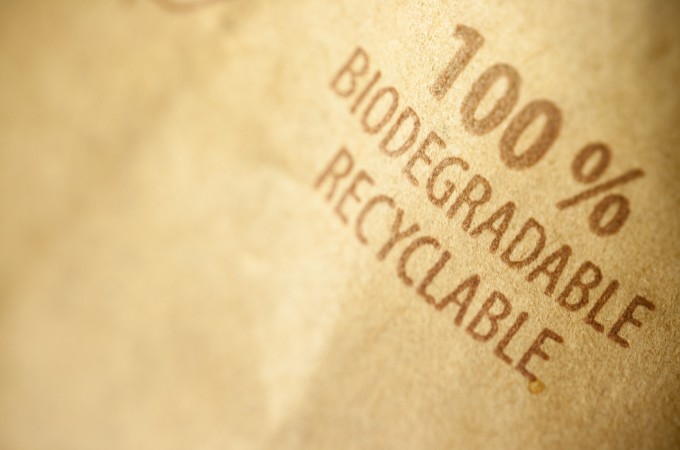
The latest paper-based cartons, leaflets, and labels offer a natural advantage to meeting sustainability targets — they can be made to be recyclable, are made from a renewable resource, and can be made in right-sized formats. When choosing this paper packaging, pharma brands can meet regulatory goals without compromising product integrity.
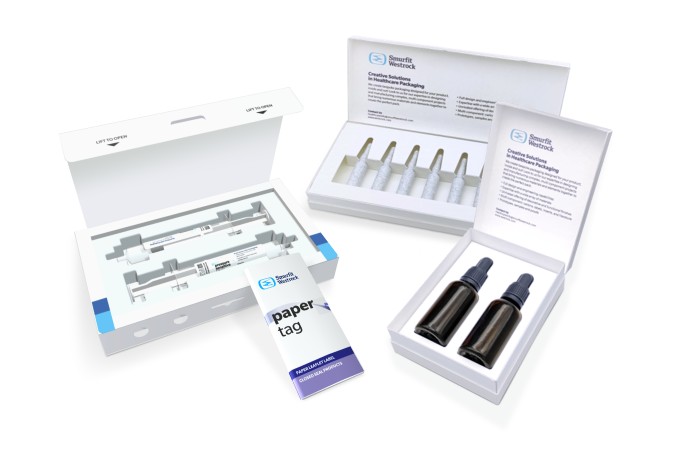
Paper trays offer a recyclable* substitute for plastic, vacuum-formed trays often used to pack pills or make-up. Their depth, shape, and cavity width can be tailored to securely retain different product types — making them ideal for applications such as cosmetics or combination therapies.
Paper tags provide an opaque, fibre-based alternative to plastic seals and tags. Designed to meet both consumer preferences and compliance, they can be used for tamper-evidence, branding, or instructional purposes, with the added benefit of recyclability*.
2. Smart packaging and labelling
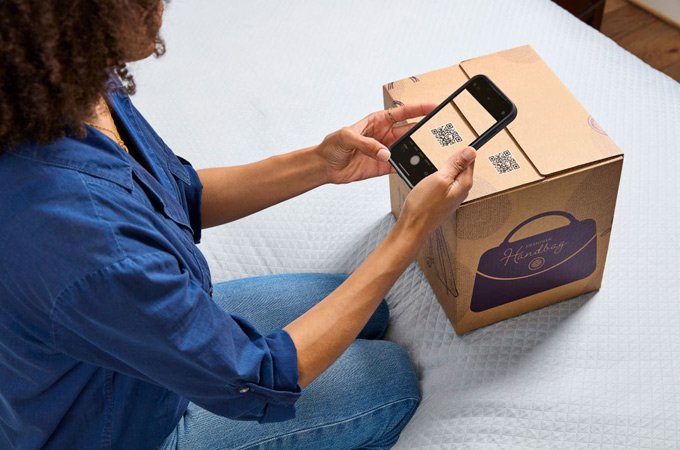
While the physical leaflet remains the primary and most complete way to deliver key information about a medicine, digital tools are extending patient support. QR codes, smart tags and connected apps improve traceability and medical adherence and provide education and supplemental information about medications.
RFID tags have improved tracking and tracing of product across many industries, including healthcare. Better inventory management ensures medications are ordered when supplies are low and those with older expiration dates are used first.
Near-field communication (NFC) tags provide capabilities beyond RFID that healthcare packers can use for safety, tamper resistance and authenticity. The tags can record environmental information such as temperature fluctuations and even record times when packaging was opened by patients to take a dose, making it easier to ensure medications are viable and dosing instructions are followed.
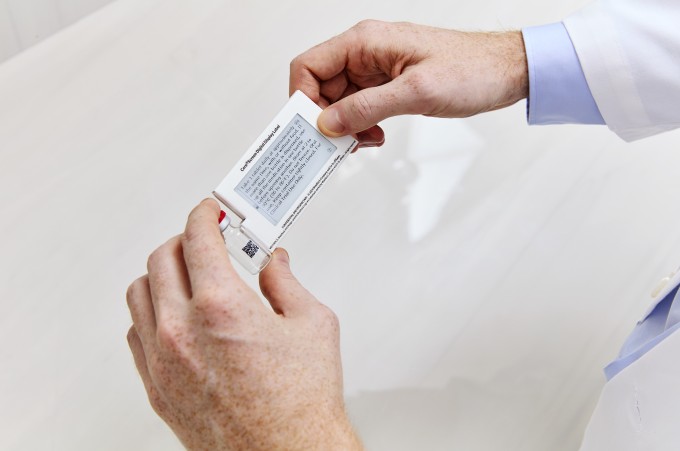
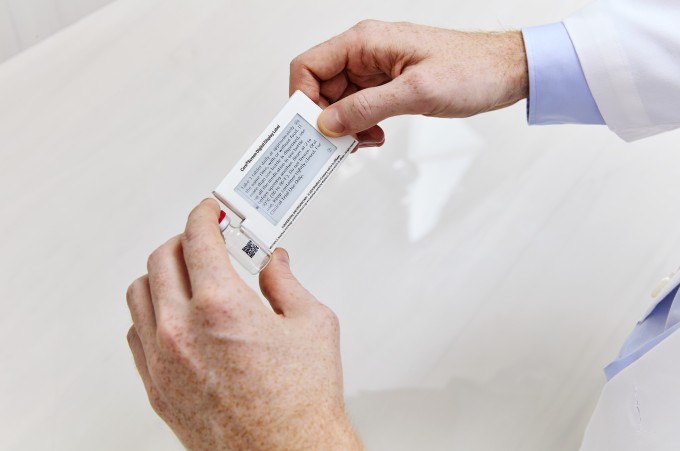
Digital display labels allow pharma companies to embed technology into familiar packaging, delivering expiry alerts, multilingual instructions, and disposal guidance in a user-friendly way. One standout innovation is the Cere®Screen digital display label, which integrates a digital screen directly into packaging for investigative medications, redefining how clinical trial information is delivered.
Cere®Screen supports smarter, more flexible packaging through:
Digital functionality: It accommodates multiple pages of content, including QR codes and barcodes, with a simple push-button interface that lets users scroll through essential information.
Customization: Labels can be tailored to the specific needs of each trial, including multilingual support and trial-specific instructions.
Remote updates: Researchers can securely update label content in real time — such as expiry dates, warnings, or instructions — via authorized cellular or PC-based controls, depending on the protocol.
3. Safety & Anti-Counterfeiting
Close to $83 billion in counterfeit drugs are sold every year, according to the World Health Organization (WHO). It estimates one in 10 medical products in developing countries is fake.
While it’s harder for fakes to enter the system in certain countries or regions, online pharmacies provide more of a market for counterfeiters. Tamper-evident designs, serialization and authentication features are now essential.
Having the ability to record whenever a medication has been opened, NFC tags can provide extra security and tamper resistance. Additionally, they can store information that allows users to verify authenticity with a swipe of their phones.
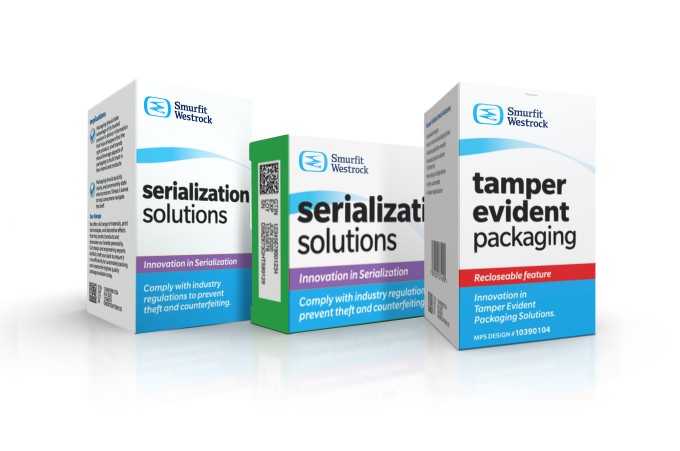
Serialized paper labels offer robust protection while remaining recyclable. The labels comply with EU and U.S. traceability regulations and help safeguard patient trust. For this process, Smurfit Westrock uses comprehensive approach that includes flexible print technologies, regional serialization expertise, and smart barcoding — all designed to integrate seamlessly with tamper-evident features.
With security printing, we can further provide authenticity through techniques such as watermarks, microprinting and thermochromic ink. Die-cutting patterns into sealed paper also helps guard against tampering.
4. Personalized and Accessible Packaging
As personalized medicine grows, packaging must adapt to meet diverse patient needs. That means custom formats, easy-open designs, and tailored instructions.
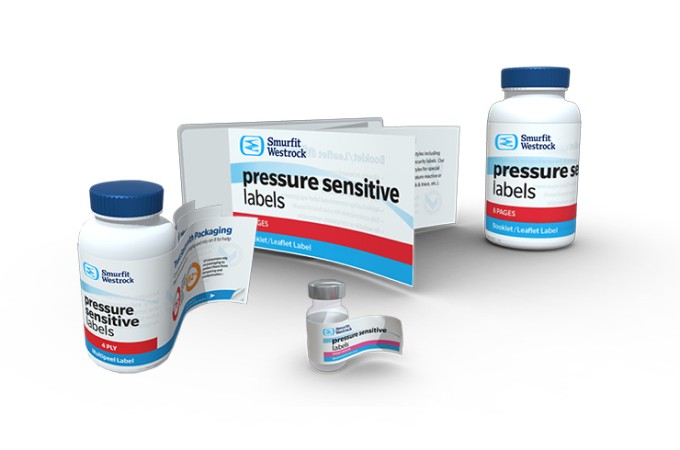
Extended content labels and custom leaflets support personalization while streamlining production. They provide the flexibility to deliver detailed, multilingual information without increasing packaging size or complexity.
Smart labels and QR codes can improve accessibility by providing a way for users to find detailed instructions with supporting visuals or videos and medication information in multiple languages.
Digital display labels make medications used in medical trials more accessible by providing options such as instructions in the language of choice or large text formats for the visually impaired.
5. Regulatory Convergence and Compliance Pressure
From PPWR to USP and EU GMP (Good Manufacturing Practice) updates, regulations governing pharma packaging are changing and never consistent across the globe. Brands must be agile and quick in updating processes, copy, languages and formats to stay compliant and have the ability to enter new markets.For example, our new health and pharmaceutical plant in Dublin, Ireland promotes compliance by being solely dedicated to healthcare packaging. Additionally, it focuses on having the agility and speed pharma companies need to respond to changing regulations and a changing market. With in-house designers, digital printing capabilities and a laser die cutting machine, the plant ensures customers can have a new run of packaging in hand in less than a day if needed.
Packaging the trends in pharma
Paper-based packaging for healthcare is more than sustainable — it’s strategic. From cartons and leaflets to digital labels and extended formats, it can give pharma companies the flexibility, compliance, and innovation they need to thrive in a changing landscape.As the industry continues to evolve, now is the time to re-evaluate packaging strategies. In addition to supporting the latest regulatory requirements, new strategies can unlock opportunities for patient engagement, operational agility and environmental impact.
Get in touch with us to explore how our paper-based solutions can support your sustainability goals, regulatory readiness, and patient-centred packaging strategies.
*Recyclability depends on finishes chosen and local curbside recyclability requirements.


Our Latest Blogs