





What We’re Made of Matters: How Sustainable Packaging Materials Drive a Circular Future
Building a more sustainable future requires new thinking, strong collaboration and a willingness to push beyond the familiar. Using sustainable packaging materials when packaging, displaying or shipping products is a powerful way for businesses to advance their sustainability goals while working toward a more circular economy for all.
At Smurfit Westrock, circularity isn’t just part of our sustainability strategy; it’s how we create value for our customers. By considering materials at every stage of the packaging lifecycle — from where they come from to how they’re used and where they go at the end of their life — we help our customers build more circular packaging systems to reduce waste and increase recovery and recycling.
Read on to learn more about how we source, use and reuse paper fiber, turning sustainability goals into measurable results.
Why fiber sourcing matters: circularity depends on recycled and renewable virgin fiber
Every packaging solution begins with a choice about raw material. As one of the largest consumers of recovered fiber in North America and Europe, approximately 55% of our raw material is recycled fiber that has been recovered from used paper and packaging and reintroduced into the production cycle.
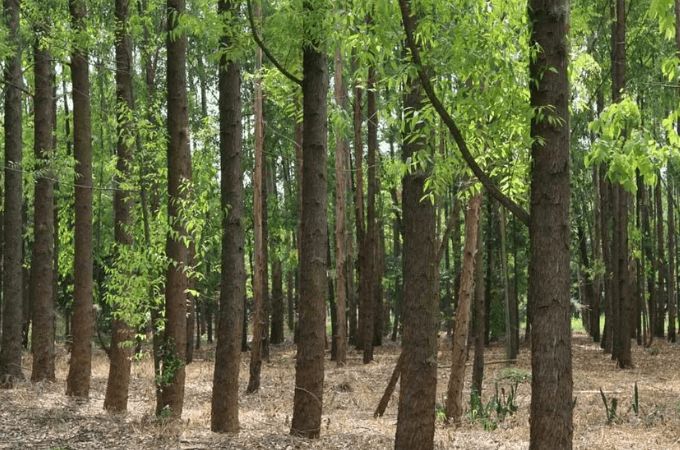
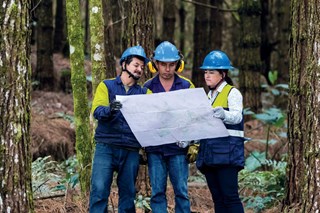
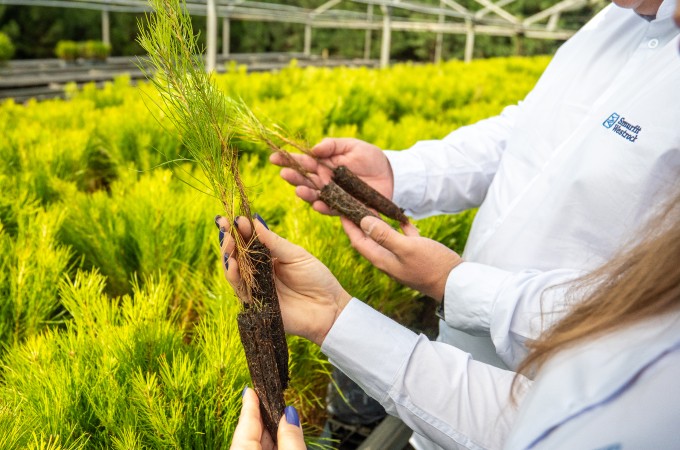
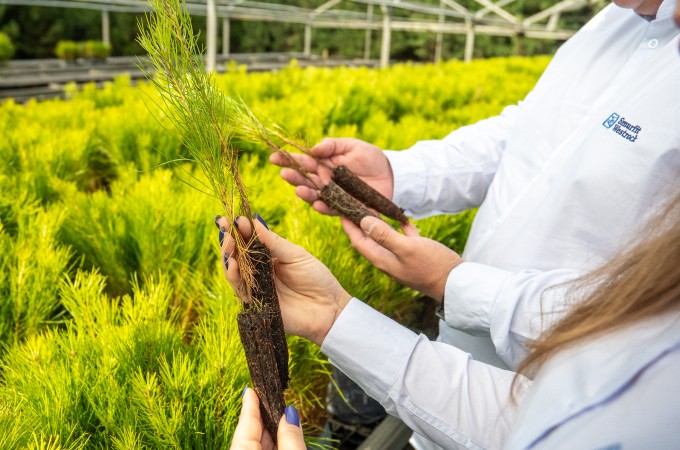
However, paper fiber has natural limits. It can be recycled many times over, but each cycle shortens the wood fiber, and eventually fresh fiber must be introduced to maintain strength and performance. That's why approximately 45% of our fiber comes from renewable virgin wood, sourced from responsibly managed, FSC®- and/or PEFC-certified forests.
When it comes to virgin fiber, we believe responsible forestry is about more than just certification. It’s about protecting all that our forests provide, from local jobs to healthy ecosystems that sustain biodiversity, water sources and natural habitats for generations to come. Because when forests thrive, circularity can too.
Why fiber-based design matters: innovation unlocks fiber’s potential to reduce waste and plastic
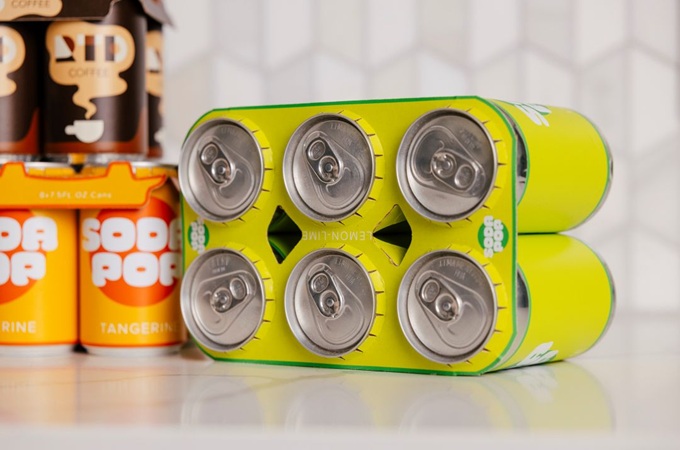
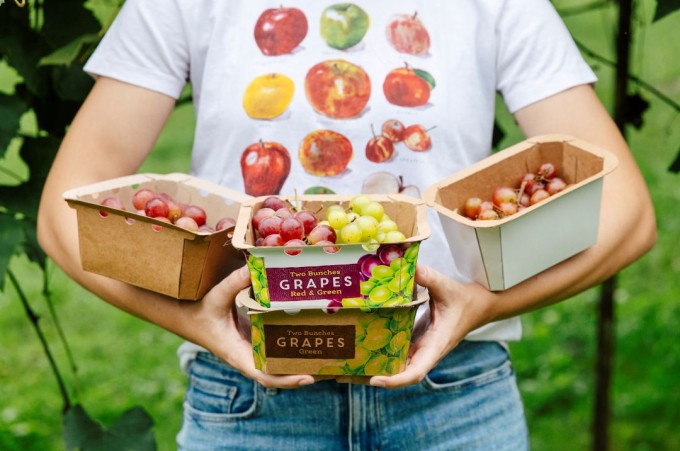
Fiber’s full potential is realized through design. When our engineers, designers and packaging experts apply their expertise to a customer’s packaging challenge, they push the boundaries of what paper can do, delivering solutions that replace plastic, reduce waste and perform in demanding, real-world conditions.
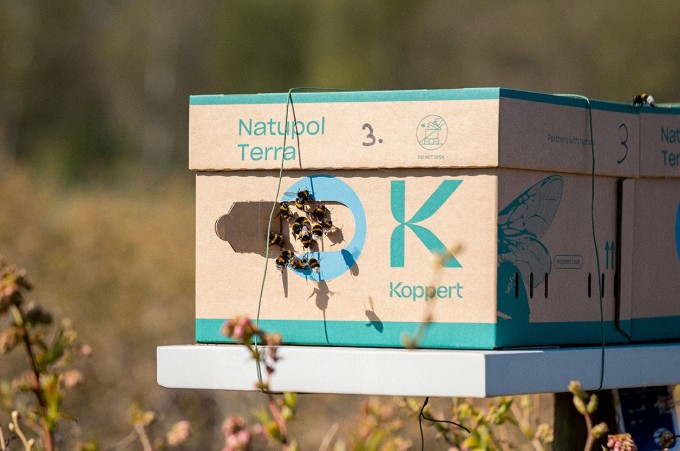
Case study: Plastic-free pollination
For Koppert, a sustainable crop protection company based in the Netherlands, we engineered a first-of-its-kind bumblebee hive made entirely from corrugated board. Our paper-based hive delivers the same pollination performance as traditional plastic formats while offering a dramatically improved sustainability profile and full recyclability at end of life.
Why fiber reuse matters: closing the loop keeps fiber working longer
It starts with designing for what’s next
The end of a package’s life isn’t an afterthought: it’s part of our material strategy from the very beginning.
That’s why paper, one of the world’s most recycled substrates, plays such an important role in the circular economy. In Europe, paper packaging recycling rates reached 94.5% in 2023, higher than any other packaging material. (Eurostat). In the U.S. and Latin America, paper consistently ranks among the most recycled materials.
Turning recovered fiber into new packaging
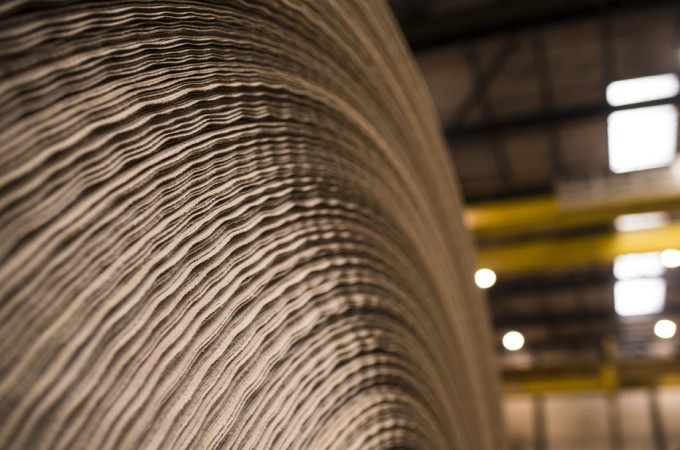
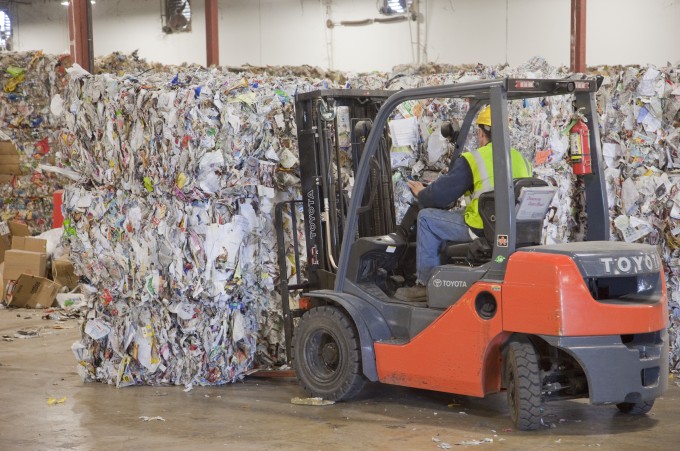
At Smurfit Westrock, we help turn that circular potential into reality. Across our global network of 70 recycling facilities, we collect recovered paper and paper-based packaging and return it to our paper mills to give the fiber a new life. Together, our mills consume 13.1 million tons of recovered fiber each year, helping keep valuable materials in circulation at scale.
Finding value in every material
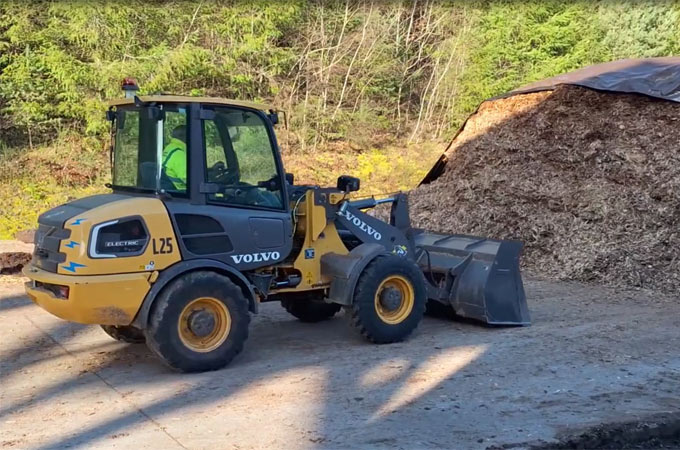
That same focus on maximizing material resources extends to the byproducts from our mills. From paper clippings to organic residuals like sawdust, our goal is to find a use for everything, either within our own operation or through partnerships with neighboring businesses and local communities.
Why this matters
Because packaging that returns to the system is packaging that doesn’t end up in a landfill. That’s the circular economy in action — not as a concept, but as a working system.
Fiber, Full Circle
The progress we make toward circularity is shaped by a series of intentional choices throughout the value chain, supported by partnerships with customers who share the same commitment. As we continue to reimagine what’s possible for sustainable packaging, we know that what we’re made of matters — at every stage of the packaging journey.The path to more circular packaging starts with a few key choices:
- Start with the right materials. Look for paper-based packaging solutions that balance recovered fiber with responsibly sourced renewable virgin fiber to deliver performance and circularity.
- Design for less — and for what’s next. Reduce unnecessary materials, prioritize recyclable, paper-based formats and consider from the start how packaging will be recovered after use.
- Consider the package’s future. A circular packaging strategy extends beyond manufacturing to collection, recycling and recovery. Partner with suppliers that can help keep valuable materials in circulation.
Our Latest Blogs