














Beer Packaging Trends for Sustainability and More
The beer industry is entering a new era. Once defined largely by tradition and taste, the category is being reshaped by forces that reach far beyond the brewery. Changes in consumer behavior, sustainability expectations, and lifestyle choices are transforming not only what’s inside the bottle or can, but how it’s delivered, displayed and experienced.
From global powerhouses to local craft labels, brewers are expanding portfolios, experimenting with flavors and refining production methods to align with evolving priorities around wellness, responsibility and environmental impact. At the same time, retailers and regulators are driving change in how beer reaches consumers, increasing pressure on brands to innovate through every part of the value chain — including packaging.
In this new landscape, beer packaging is more than protection or presentation; it’s a strategy. The right format can help brewers reduce plastic, lower emissions and connect more authentically with modern drinkers. It’s a vital medium for differentiation and proof of purpose.
As a trusted partner to both craft breweries and global brands, we see the evolution of the beer category as an opportunity to leverage beer packaging trends to deliver performance, sustainability and brand experience. Here are three powerful shifts redefining the future of beer — and shaping the next wave of beer packaging innovation and sustainable beer packaging around the world.
1. Responsible Brewing Calls for Sustainable Beer Packaging
As expectations rise, sustainability is becoming a key driver of choice — shaping brewing methods, beer packaging design, consumer perception and more.
Today’s beverage consumers gravitate toward brands that care about sustainability, giving brewers the chance to differentiate themselves and attract new customers through their commitment to the environment.1 Consumers around the world are willing to put their money where their values are. As reported in an online Food Engineering article, an international survey across seven countries found that almost half of the respondents would choose a more expensive but more sustainably produced beer over a less expensive and less sustainable option.
Beer packaging — whether primary, secondary or tertiary — plays a critical role in reducing a brand’s environmental footprint and conveying its values.2 As evolving consumer preferences and tightening legislation such as EU packaging waste regulations accelerate the transition away from single-use plastics, manufacturers are increasingly turning to alternative, sustainable beer packaging materials like paper to meet performance needs while supporting circularity goals.3
“Brewers have made significant progress reducing emissions and resource use across their operations, but packaging remains one of the most visible opportunities to demonstrate that commitment to consumers,” said Chris Davidson, vice president of sustainability engagement at Smurfit Westrock. “Paper-based, recyclable packaging not only advances circularity — it also sends a message that this is a brand that cares about its impact. It’s a powerful way for brewers to meet consumers where they are.”
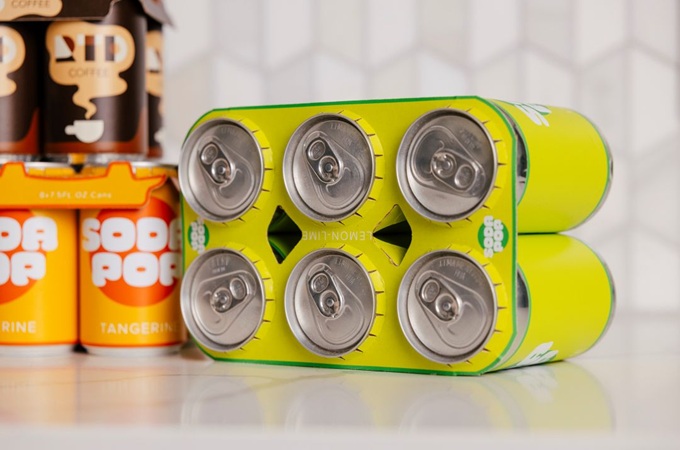
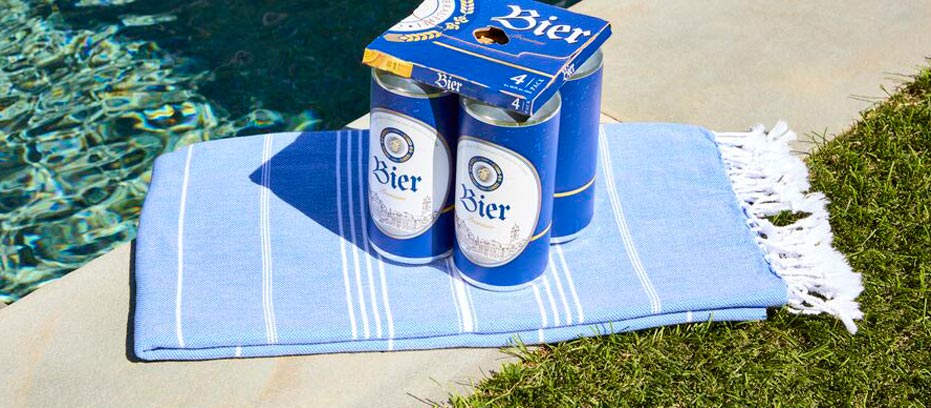
Paper-based multipack solutions like CanCollar® and PETCollar™ are helping brewers move out of plastic rings and shrink wrap, replacing them with recyclable, paper-based carriers that deliver strong handling performance, smooth line integration and standout shelf presence.
Ultimately, more sustainable beer manufacturing and beer packaging design is a win-win for all. Consumers feel good about their purchasing choice; beer brands differentiate themselves from competitors; and with 190 billion liters of beer brewed in 2024,4 the potential for a positive environmental impact is profound.
Packaging takeaway: Recyclable, paper-based can packaging and bottle packaging can help your brand reduce its environmental footprint while aligning with consumers’ values and helping your product stand out.
2. Mindful Drinking is Crafting the Future of Beer Packaging Innovation
Health and wellness are reshaping how consumers drink, inspiring lighter, low-alcohol options and packaging innovations that reflect moderation, balance and purpose.
Driven by a focus on health and wellness, more consumers are seeking alternatives to traditional beer that allow them to embrace health goals without sacrificing the social experience. “Beer lovers across the country are turning to low- and no-alcohol beers as their go-to choice to meet moderation goals,” said Brian Crawford, president and CEO of the Beer Institute.5 The result? The global market for non-alcoholic beer has at least tripled in the last five years.6
“Non-alc beer is the fastest growing segment in the beer industry, consistently growing by double digits over the past few years,” said Andrew Heritage, chief economist at the Beer Institute.7 As the no- and low-alcohol category continues to expand, packaging formats play an increasingly important role in signaling moderation. For instance, slim cans have become a popular choice for portion control and are often associated with lower-calorie, lighter options.
This movement toward healthier cues also influences how breweries think about packaging operations. Modern packaging lines can typically accommodate slim-can formats without requiring an entirely new machine — only new tooling — giving brands the agility to introduce alternative sizes that support mindful-drinking trends without major capital investment.
Packaging takeaway: For beer brands looking to capitalize on the low- and no-alcohol trend, thoughtful, premium packaging design can convey your product’s message of health and wellness, while future-proof beverage packaging automation can help you seamlessly adapt to changing consumer preferences.
3. As Flavor Evolves, Beer Packaging Design Levels Up
Today's beer drinkers are embracing bold new flavors, pushing beer packaging design to capture creativity, color and storytelling that match their adventurous taste preferences.
From international flavors to surprising ingredients, Tastewise’s article, “Craft Beer Trends: The Coolest Brews of 2025” highlights that beer brands are pushing boundaries to stay a step ahead in the market and embrace consumers’ desire for new and exotic tastes.
As brewers responded to the growing popularity of flavored variants in other alcoholic segments,8 global flavored beers launches have grown 7% over the past five years. Fruit flavors have proven to be the most popular, but other emerging flavor categories include spices, cake, cookies, pie, vegetables and desserts.9
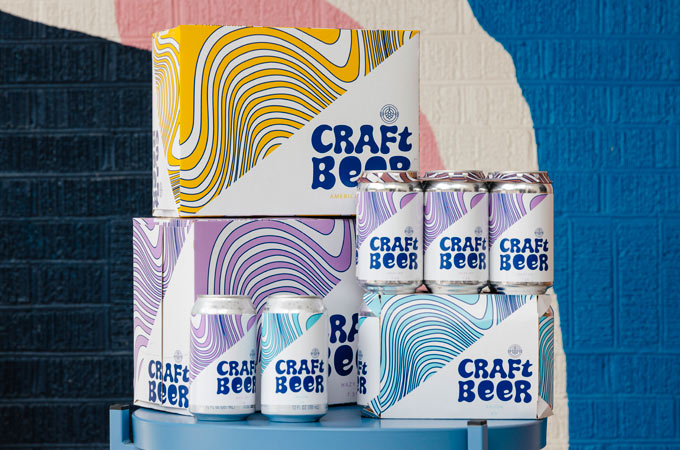
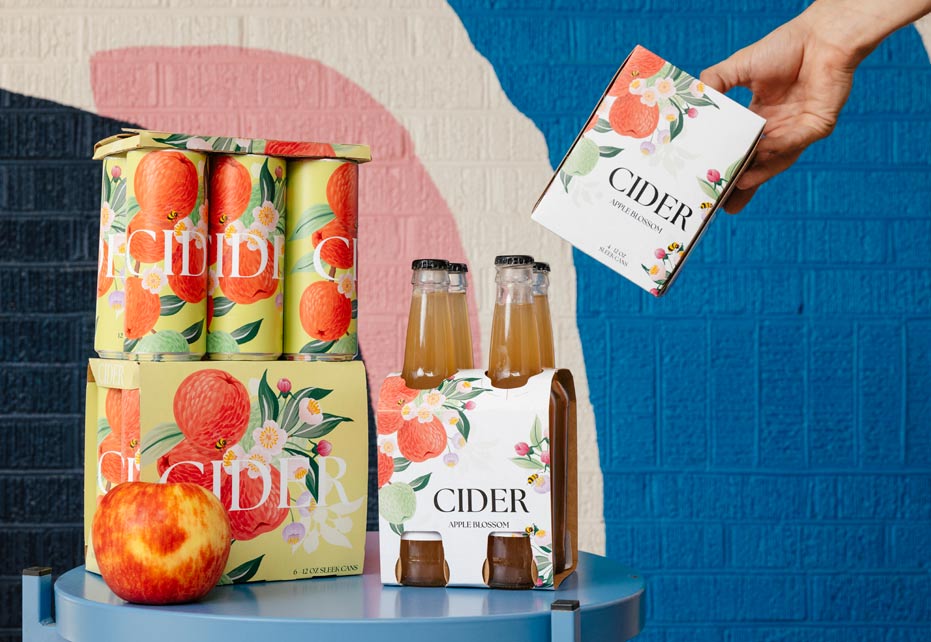
Packaging Takeaway: Innovative flavors need packaging that reflects and promotes the uniqueness of your beer. Bold visuals, unique silhouettes and vibrant storytelling can help communicate novelty and stand out on crowded shelves.
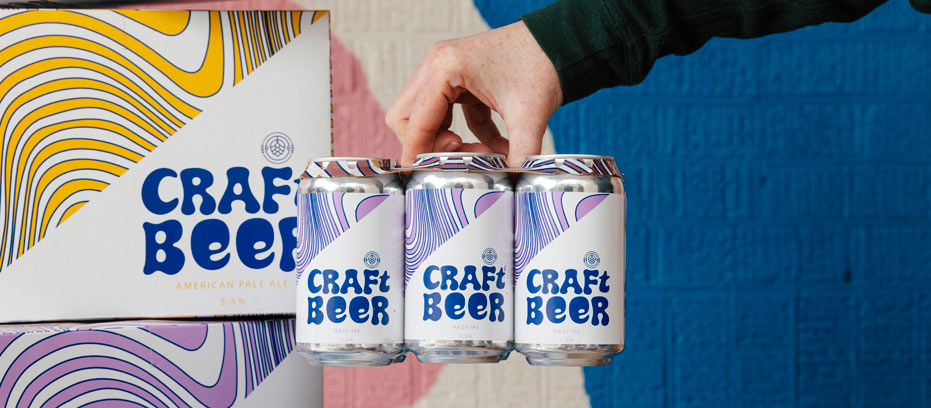
For brewers, packaging is no longer simply the protective layer around the product — it’s a direct expression of what the brand stands for. It signals values. It influences shopper decisions. It reflects quality, care and purpose.
We partner with beer brands of every size to bring these opportunities to life. From automated paper-based multipack systems that eliminate plastic, to premium formats that elevate shelf appeal and strengthen differentiation, we design solutions that meet performance requirements today while aligning with where the category is headed next. If you’d like to see how we can help you advance your sustainability goals with our innovative beer packaging, contact us today.


Our Latest Blogs