













What it takes to hold and maintain forestry certifications
Sustainable forestry isn’t a new concept as the practices have existed since the 18th century. However, certifications in sustainable forestry didn’t begin until the 1990s.
The 1992 Earth Summit in Rio de Janeiro was an environmental turning point for many since the summit ended without the participants reaching a deforestation agreement. Facing their disappointment and growing concern for the environment and climate change, committed leaders joined forces to create voluntary certification bodies that could improve practices worldwide.
When we shared the basics on how businesses can truly be sustainable, one of our criteria was having third-party certification by legitimate organizations such as these. Since circularity and sustainability are at the core of our business, securing and maintaining these certifications are an important part of how we approach sustainable forestry. The most important forestry-specific certifications we hold are from the following organizations.
Forest Stewardship Council (FSC® C104002)
Multi-stakeholder governance system providing forest management and chain of custody certification that gives equal weight to economic, environmental, and social chambers and is governed by a global network of over 1,000 individuals and member organizations representing those three areas. The only forest certification system with an integrated accreditation program that systematically verifies its certification bodies.
Programme for the Endorsement of Forest Certification (PEFC)
Caring for forests globally and locally, PEFC works to protect forests by promoting sustainable forest management through certification. This means all benefit from the products that forests provide now, while ensuring forests will be around for generations to come.
Sustainable Forestry Initiative (SFI)
To advance sustainability through forest focused collaboration, and structured to prioritize environmental, social and economic sectors equally.
All the forestlands we own are certified by the FSC and/or the PEFC, and all the fiber we harvest or purchase from others is chain-of-custody certified. But what does that mean in terms of how we do business and what we produce?
There are many requirements our forestry teams have to fulfill for us to maintain these certifications. Each have their own criteria to evaluate whether we are successfully practicing sustainable forestry, but they do have similarities. While not an exhaustive list, here are some basic requirements for maintaining these certifications, categorized by the three pillars of sustainable forest management: environmental, economic and social. There are many requirements our forestry teams have to fulfill for us to maintain these certifications. Each have their own criteria to evaluate whether we are successfully practicing sustainable forestry, but they do have similarities. While not an exhaustive list, here are some basic requirements for maintaining these certifications, categorized by the three pillars of sustainable forest management: environmental, economic and social.

Environmental Requirements
Since the 90s, there are many environmental laws now in effect globally. These laws concern endangered species, waste handling, logging, water usage and the treatment of wetlands, as well as soil conservation practices. Recognizing them, certification organizations always require adherence to all applicable laws in their region.
In addition to complying with applicable laws, foresters must show they are abiding by sustainable forestry practices in specific ways:
Developing and Filing Management Plans
Certification bodies require foresters to file forest management plans that are also made available to the public. The plans must have goals based on how the land will be used, and they must be assessed against these goals, revised and updated periodically. The management plan must include mapping of the forest region under the plan, and it also must document all planned activities for that region, including but not limited to:
- Research
- Assessments
- Any harvesting or thinning according to best practices
- Pest control
- Soil supplementation
- Support of endangered species
- Communication with the surrounding community
- Foreseeable mitigation efforts

When developing and revising management plans, foresters work with regional organizations to evaluate the best ways to manage forest health while also continuing to provide the forest products on which the world relies. This long-term planning promotes biodiversity and prevents deforestation since its aim is to keep forests productive and healthy today and into the future.
“We may work with outside organizations like the National Council for Air and Stream Improvement (NCASI) to analyze forest growth at a landscape level to make sure we have a sustainable fiber supply,” said Eric Smith, Smurfit Westrock senior manager of sustainability for North America, who creates sustainable forest management plans for private landowners.
“As a part of the management plan for our forests in Brazil, for example, we preserve 0.8 of a hectare of natural forest for every hectare we plant,” said Heuzer Guimaraes, Smurfit Westrock VP of fiber and forestry for Brazil.
Active Monitoring and Maintaining of Forest Health According to Plans
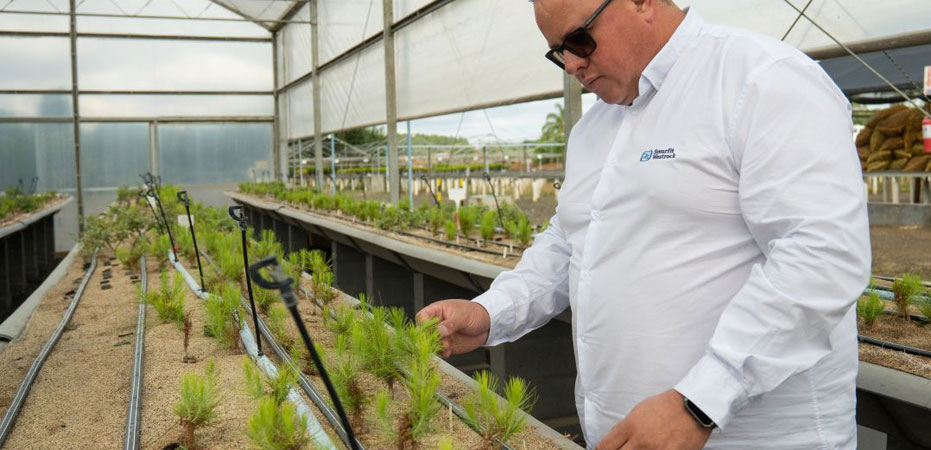
Once a management plan is accepted, it has to be carried out. Through ongoing forest management operations, foresters maintain and support biodiversity and forest health because forests are necessary for maintaining sustainability, productivity, and the sequestration of carbon in the atmosphere. This includes protecting the flora and fauna as well as the integrity of the soil and water resources.
Periodic audits and surveys of the land help foresters monitor and assess forest conditions. They look for things like evidence of disease, problems with pests, or evidence of water erosion. Foresters must also record certain high conservation values to show health is being maintained or improving. For example, they document native species, the variety of species and if there are rare or threatened habitats.
As forests are monitored over time, numbers and information can be compared to previous years. Through this thorough auditing and documentation, foresters then evaluate whether the management plan is successful and recommend mitigation activities and revisions if necessary.
One issue foresters may need to address is pests that reduce forest productivity. However, certification bodies require that foresters show how they are minimizing the use of products like insecticides.
“We must show the ways we are controlling insects, even if we are developing biological treatments instead of using chemicals,” said Guimaraes. “For example, for most insects, we introduce a natural predator to control the species that is creating the problem on our plantation.”
In order to maintain certification, foresters are only allowed to introduce a non-native species if there is scientific support showing it would be beneficial to the habitat.

Working to Improve Forest Health
To uphold certifications, foresters must prevent damage to the ecosystem and implement mitigation plans if needed. For example, if there is any erosion caused by harvesting, if there’s any damage to roads or if there’s any impact to soil or water quality, foresters restore what was impacted.
“A harvest is one of the most critical points, because there can be some erosion to the soil that can impact the watershed,” said Marcela Zapata, Smurfit Westrock head of forestry research and development in Colombia . “So, we have to provide evidence that we are mitigating that impact after the harvest. Transporting the wood is another activity that can result in the need for mitigation.”
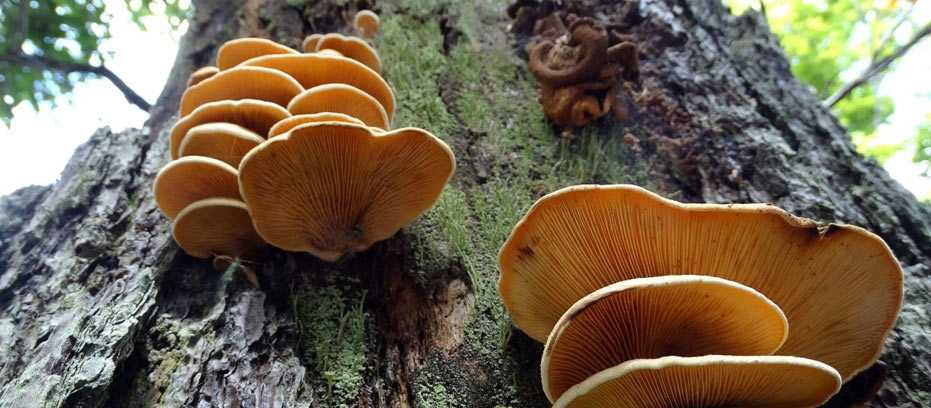
In addition to mitigation, our experts focus on other areas of forest health. Whenever necessary and feasible, they must design and implement sustainable strategies for the prevention, control, and integrated management of pests and diseases, a high priority of our Forest Health Program. For example, when disease or fungi affect plants and trees, foresters must address it so it doesn’t spread. Foresters must also work with environmental organizations to improve habitats to support the return of endangered species.
For the forest plantations we own, it’s most important for foresters to balance sustainability and forest health with productivity. Sustainable forestry practices in combination with planting with high-quality material have contributed to enhanced productivity among diverse and challenging environmental conditions.
Social Requirements
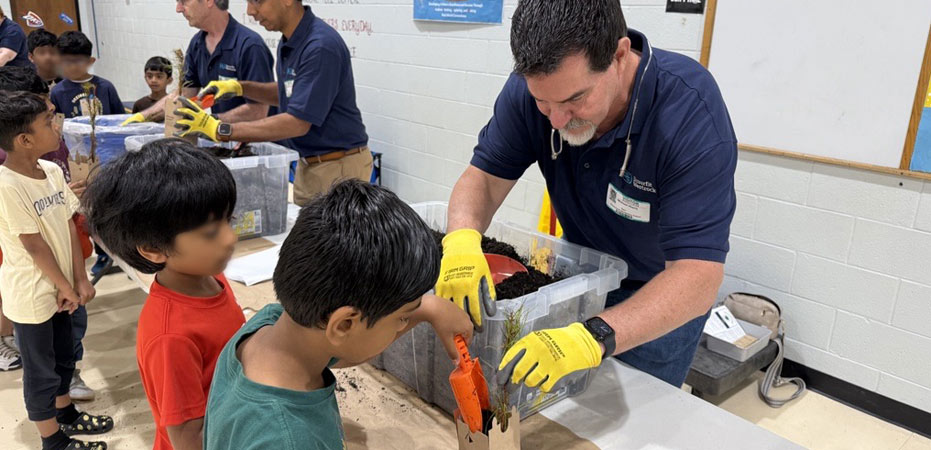
The reason forest management plans are made public is because there is always an expectation that foresters will be in regular communication with the community surrounding the forests they manage. Certification bodies require communication regarding how forestry operations may impact the community, especially when it comes to roads, infrastructure or the environment.
Businesses involved in forestry must also abide by fair labor and equal employment practices, focusing on providing a living wage and employing all peoples regardless of gender, race, ethnicity or sexuality. Safety is also a major concern, so providing adequate training, tools and equipment is critical.
“We have to provide the right tools and equipment for protection, such as helmets, gloves and masks,” said Zapata. “Safety is not just a requirement; it’s a priority here, and it’s important to train people to have a safety-first mindset.”
With regard to the community, work with indigenous peoples is specifically addressed by certification bodies. Foresters must recognize not only the customs and traditions of the indigenous, but also their rights to ownership and use of the forestland and its resources.
Economic Requirements
Since sustainable forestry acknowledges the need for economic benefit, certification bodies require that foresters show that the community, as well as the company, is benefitting from forestry activities. Companies must pay foresters wages that meet or exceed the standard in the industry. They must also seek to use local vendors when securing third-party resources for their activities and must show their management plans are viable for the economy over the long term.
Our foresters say that, overall, they must always be thinking about how they can positively impact the local community.
“We provide for the local economy through the amount of scholarship support we have developed with universities and research support. There are also social programs we developed in our region to educate and inform,” said Guimaraes.
Going beyond forestry to maintain an ethical supply chain
While these certifications are important to the forests we own, we also secure fiber from others. To show that fiber comes from sustainably managed forests, we secure chain-of-custody certifications.
“Before we move a logger onto a site, we're doing many of the same things on the non-certified lands we don’t own, that we're doing on our own certified lands. That’s essential to our responsible fiber sourcing certifications,” said Smith. “While we’re not able to claim fiber from those lands is certified, we still have a responsibility to make sure we have a sustainable fiber supply now and into the future.”
We have team members who’ve served in working groups to update the FSC and SFI standards. Most recently this included participating in FSC International’s core working group to help update and improve chain-of-custody standards. Through giving the working group tours of two of our mills in Germany, those involved were able to see chain of custody standards in practice as recycled paper was turned into packaging. Seeing practical application of its standards in the industry is an important step to ensuring those standards continue to be meaningful.
Certifications from the FSC and PEFC help people to know how a business is managing their forestlands and protecting the environment, while SFI responsible fiber sourcing certifications show that the fiber sourced from non-certified lands is also sustainably managed. These certifications give producers, brands and consumers peace of mind in knowing their packaging is not contributing to deforestation or toward harming ecosystems. View our most recent Sustainability Report for more information.
Our Latest Blogs