







How to be a Truly Sustainable Business
Greater pressure to showcase sustainability
Climate change is one of the leading conversations in the media due to the adoption of related policies and growing regulations across the globe. At the same time, consumers are increasingly concerned about their personal environmental impact.
According to a McKinsey & Co. survey, 66 percent of all respondents and 75 percent of millennial respondents consider sustainability when making a purchase. As a result, products making ESG-related claims averaged more growth in the last five years compared to products making no ESG-related claims: 28 percent cumulative growth versus 20 percent.Growing interest and sales of sustainable products is leading to growing pressure on businesses to make claims that their operations and products are sustainable. However, these claims may lead to reputational damage or other liabilities if they are misleading or without merit, which is greenwashing.
Making the right choices
Businesses and manufacturers now more than ever need to be savvy when attempting to choose vendors or services from other businesses genuinely making efforts to be more environmentally and socially responsible. Understanding how to look beneath the surface of advertisements and labels helps us choose vendors and partners that better align with our sustainability goals. Having sustainability governance processes in place to hold our company accountable and keep us on track to meet our targets is also an asset in understanding what we should look for in other businesses and products we choose. Here are the things we look for when vetting the sustainability credentials of other businesses.
1. Transparency at every level of the business

When it comes to figuring out if a business is as sustainable as it says it is, it’s just as important to look at what it doesn’t say as it is to look at what it does say. Businesses that are serious about being responsible typically share their current environmental and social performance data, their goals for where they want to be, and their plans to get there.
If a business isn’t sharing these things, it makes us wonder if it’s because they don’t want people to know or if they don’t even know themselves. When a business is transparent, you’ll see things like:
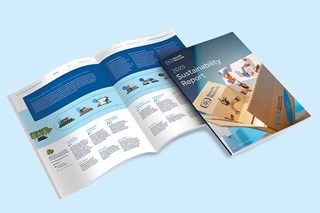
Sustainability reports. Companies with a focus on sustainability are not only assessing their numbers and keeping track of them, but they’re also publishing those numbers in sustainability reports. The data and information in these reports should be presented according to accepted reporting standards and, as a best practice, include third party verification of key data.
Clear product labeling. In retail, look for clear, unambiguous labels on product packaging, as well as any qualifications required to ensure that environmental claims are accurately stated. For example, a label with a claim that the packaging is 100% compostable should clarify whether it’s compostable in a home compost or requires composting in an industrial facility.
Evidence of traceability. The business knows where their supplies and materials come from and has taken steps to certify that they come from ethical sources. Similarly, this extends to labor; it will vet subcontractors and suppliers, choosing those that comply with applicable employment laws, including laws intended to prevent illegal or forced labor.
2. Long-term CSR or ESG targets
As a part of their annual sustainability report, sustainable businesses should have set targets. It’s also how they share those targets and make good on them that matters. Patagonia’s Annual Benefit Corporation Report is a perfect example, as well as our own report.
When you view a business’ sustainability report, do you see:
Clear, ambitious, time-bound targets. Targets are spelled out, measurable, and provide a date for estimated completion.
Comprehensive targets. Targets should be well-rounded, focusing on all areas of environmental and social responsibility. They should cover emissions, use of resources, safety and diversity and inclusion.
Marked progress on targets. Besides listing targets, a sustainable business should also share their progress on meeting them. Are they on or off track to meet the targets by their deadlines? Or what percent of a target have they achieved so far?
3. The operations across the company
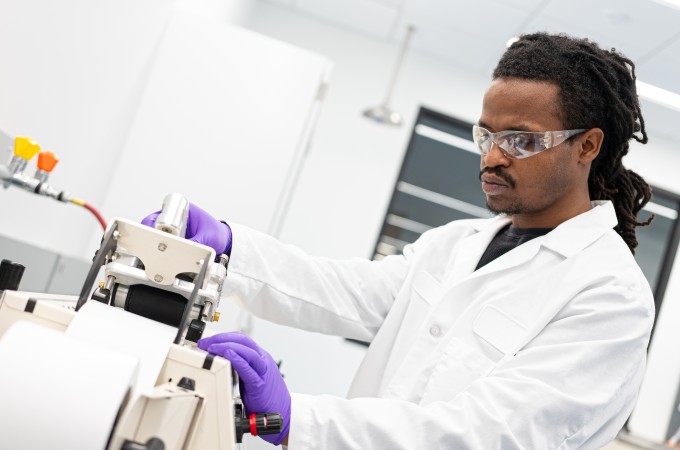
When it comes to operations, we look at the materials the business chooses, how responsibly they handle those materials in production, and what methods they employ to minimize end-of-life impacts.
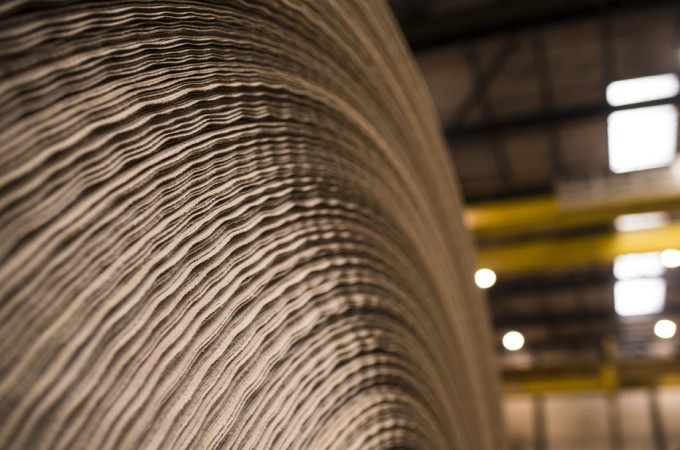
Smurfit Westrock has many practices for operating responsibly. Our mills reclaim and recirculate the water they use for paper production, and it’s treated according to applicable permits and regulations before being returned to the environment. Byproducts from our kraft pulping and papermaking processes at our mills are also used to create electricity and steam that supply power to their manufacturing operations.
Businesses concerned about being responsible are thinking about ALL of their processes and materials. Look for these themes in their practices:
Circularity in production. A sustainable business chooses materials with circularity in mind. They aim for a closed-loop system where waste is designed out, products are recycled or kept in use, and natural materials are regenerated. A business like this minimizes its own waste material and engages in practices like composting and energy recovery.
Circularity beyond products. A sustainable business’ office space, packaging, and the entirety of their operations focus on circularity. This business makes use of recycling, energy conservation, and educating employees to follow best practices.
Investment in innovation. Look for signs that a company is investing in research on new eco-friendly materials and technology that can drive sustainability across their business and industry.
4. How their products are packaged
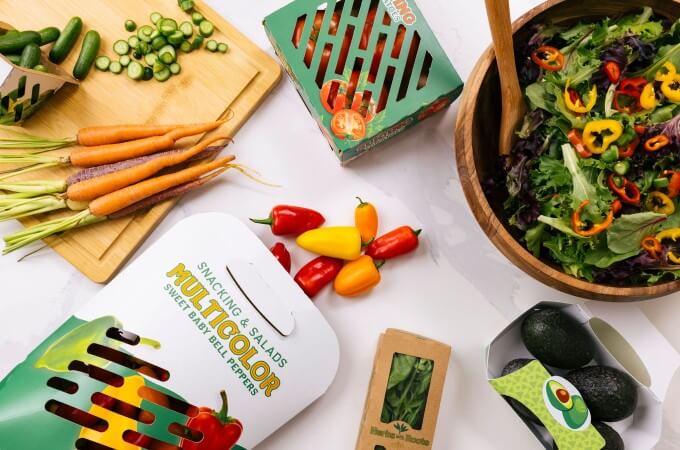
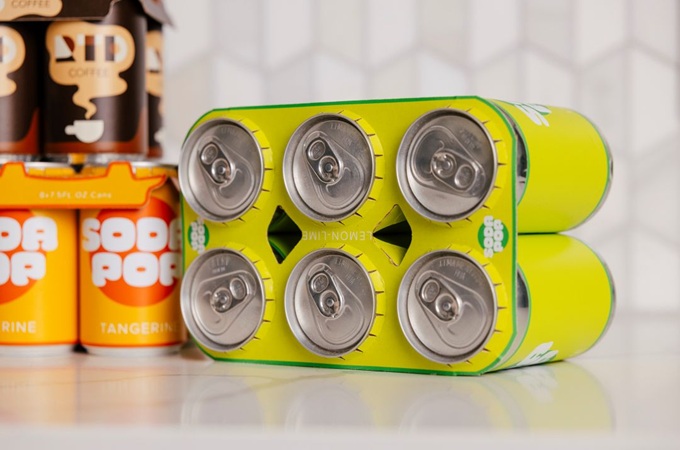
Sustainable businesses think about the waste they’re creating, or not creating, with their packaging. They want to protect the product and provide a good unwrapping experience for the customer, but they also want to make sure the packaging can be recovered and recycled or reused.
Responsible businesses aiming to achieve circularity want to make sure it’s easy for packaging to be reused, recycled or composted. They think about the substrates they use to produce their packaging, choosing materials such as paper-based packaging, which has the greatest chance of being recovered and recycled compared to other substrates.
When it comes to packaging, you’ll see sustainable businesses doing these things:
Choosing curbside recyclable packaging. Packaging considered curbside recyclable is the stuff that’s going to get recycled a majority of the time. For example, only nine percent of plastic is recycled, compared to nearly 68 percent of fiber-based products and around 90 percent of corrugated board. Recyclability is also the packaging feature with the greatest impact on consumer satisfaction.
Using circular principles in design. Look for businesses that are designing packaging that is curbside recyclable or providing programs for consumers to return packaging to them for reuse or recycling. Lush Cosmetics uses minimal, biodegradable packaging and encourages consumers to recycle in-store.
Engaging in minimalism. Sustainable businesses go minimalistic. Using less material means less waste; it’s that simple. The byproduct of that, though, is that eliminating excess space in packaging, making a package smaller in volume, can lead to lowering the emissions used to transport the product. The smaller the product, the more of it companies can fit on a pallet and the less vehicles they may need for transportation overall.
5. Claims backed by action and progress
Actions speak louder than words. Is there evidence that reveals a business is working on its targets? Do you see action, not just advertisements? Can you find evidence that supports every claim they make?
For example, Interface, Inc. has been leading the global flooring manufacturing industry with their approach to sustainability. They already met the major emissions target they set in the 90’s ahead of schedule. One of their current SBTi-approved targets is to reduce their absolute Scopes 1 and 2 GHG emissions by half by 2030.
You might specifically see:
Data-driven commitments. Any sustainability claim should be backed up with hard data. Whether it’s emissions, recycling rates, or water consumption, businesses that provide numbers are likely more credible.
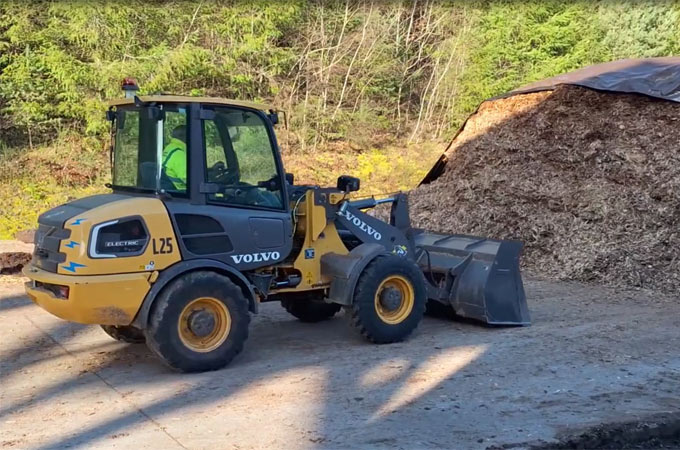
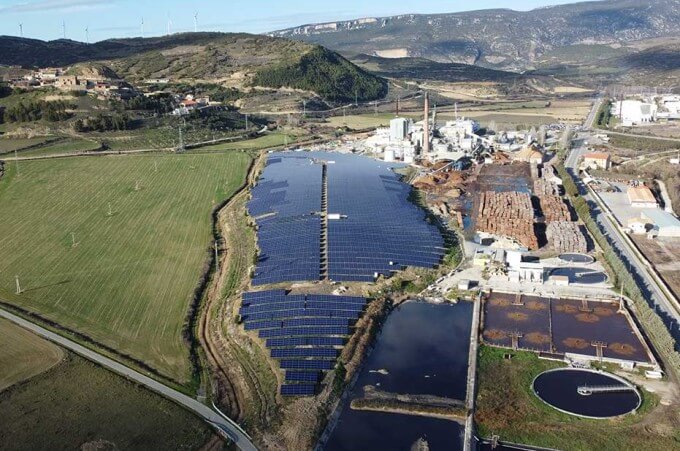
Major investments in sustainability. Look for investments the business is making in renewable energy or reducing their environmental footprint. For example, if they have a fleet of vehicles, they might invest in a fleet of hybrids or e-cars, or if they build a new office, they may invest in solar power, a green roof, or a smart HVAC system that uses energy more efficiently.
Third-party validation of claims. When a business’ environmental or social impact claims are backed by independent third-party organizations, it's a strong signal of credibility and commitment to sustainability. One such organization is the Science Based Target Initiative (SBTi), which evaluates and validates an organization’s targets related to the reduction of greenhouse gas emissions. Speaking of third-party organizations...
6. Third-party certifications

A business that champions sustainability will have third-party certifications that apply to their industry that are validations of their commitments. Some third-party certifications are general to businesses, but some are industry specific. Look for:
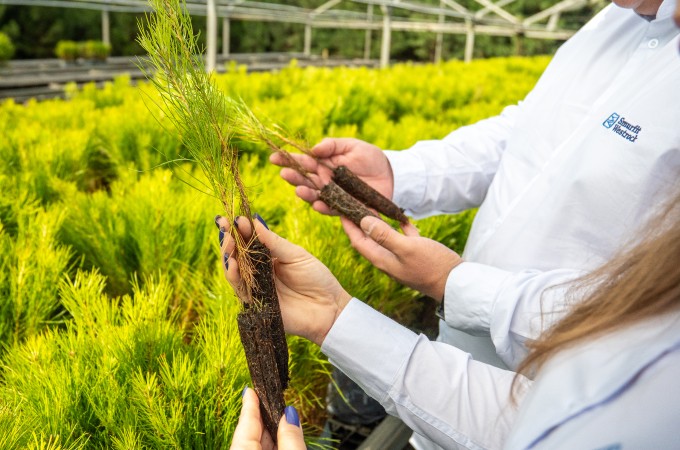
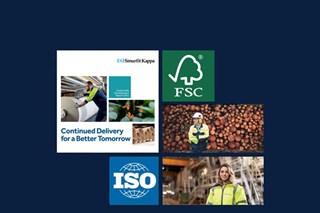
Industry or product-specific certifications. Some familiar certifications from outside organizations might be LEED, Green-e, or USDA. Some of the organizations that have certified Smurfit Westrock are the Forest Stewardship Council, the Sustainable Forestry Initiative and the PEFC (Programme for the Endorsement of Forest Certification).
Local, national or global recognition. Alongside product-level certifications, businesses who are demonstrating their commitment to sustainability may receive recognition for their efforts, like our 2024 PAC Global Best in Class win for Sustainable Packaging Design.
B-Corp status. B-Corp status is an impressive mark that shows a company meets the highest standards of social and environmental performance, transparency, and legal accountability. It’s not a necessity for a sustainable company, but it means something when a business has it, since it can be expensive and time consuming to attain.
Our list is by no means exhaustive, but checking for each one of these should help you weed out businesses that aren’t serious about sustainability. And if you need sustainable packaging solutions, contact our team. We have numerous options for paper-based packaging and sustainable packaging design.
Our Latest Blogs