














How to reduce operational costs with packaging
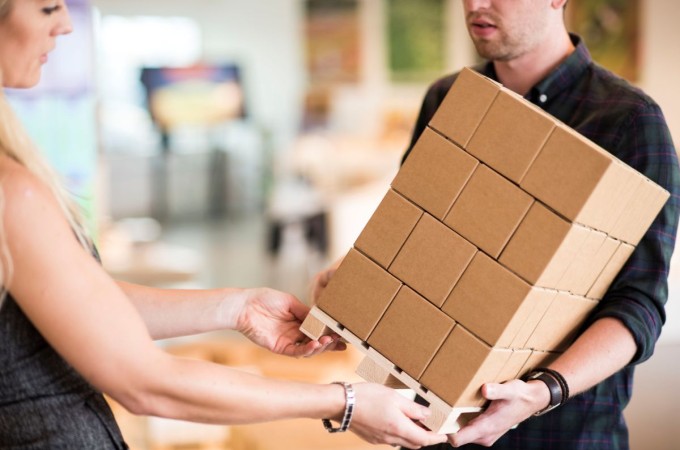
While considerable time and effort goes into perfecting a product for the market and the store shelf, our packaging consultants say our customers typically spend much less time on the packaging used to ship, store and distribute the product. They say this is why there are usually many opportunities for companies to make their packaging more efficient, which can reduce operational costs.
Packaging-led supply chain optimization offers manufacturers and producers a pathway to mitigate the increasing costs of doing business. By analyzing the entire lifecycle of your packaging—from the assembly line to the end user—you can uncover opportunities to eliminate waste, improve density and streamline logistics.
Here is how you can leverage strategic packaging changes to drive significant operational savings.
Packaging-led supply chain optimization offers manufacturers and producers a pathway to mitigate the increasing costs of doing business. By analyzing the entire lifecycle of your packaging—from the assembly line to the end user—you can uncover opportunities to eliminate waste, improve density and streamline logistics.
Here is how you can leverage strategic packaging changes to drive significant operational savings.
1. Redesign the packaging for efficiency

Reduce assembly time to reduce labor
Labor is often one of the highest operational costs. If your current packaging requires complex folding, taping or manual insertion, you are paying for time that could be saved with a smarter design. Look for ways to make the packing process less labor-intensive. For example, moving from manual assembly to an automated box former or a design that easily folds into place can drastically cut the assembly time per unit.
Use a substrate with a lighter weight
Sometimes, the board you currently use is more than you need. Our experts often find that customers can use a lesser grade of material without sacrificing protection. In one project, testing revealed that a customer's primary packaging offered significant stacking strength on its own. This allowed the team to recommend going from a C flute to a B flute corrugated container for the secondary packaging, reducing material costs.
Additionally, Brazilian sandal maker Grendene redesigned their shoe boxes to use unbleached kraft paperboard. The new design used less fiber, which lowered material costs and packaging weight, ultimately reducing shipping expenses.
Right-size the packaging
Shipping is too expensive to ship air. When a box is too large for its contents, producers pay to ship the wasted space and the filler material required to protect the product. Right-sized packaging eliminates void space, which increases stack-ability and reduces associated costs.
In one case study involving a healthcare company, our packaging consultants noticed wasted headspace in the secondary packaging. By changing the pack configuration, they eliminated that void space. This change allowed the company to fit more cases on a pallet and more pallets in a trailer. Since the company paid $5,000 to sterilize each trailer load, reducing the total number of trailers resulted in a total savings of approximately $1,900,000 a year.
2. Save on supplemental materials
Beyond the box itself, the materials used to seal and secure your packaging represent a significant way to reduce operational costs.
Save on glue, adhesive and tape
Evaluating closure methods can reveal surprising waste. You might be using more glue than necessary or expensive tape that renders the box non-recyclable. Automated machinery can eliminate the need for tape and be set to use less glue if the current amount isn’t necessary. Boxes that are assembled manually can be redesigned to fold closed. Smurfit WestRock packaging consultants recently recommended a customer change their glue pattern to conserve glue, which saved operating costs over time.
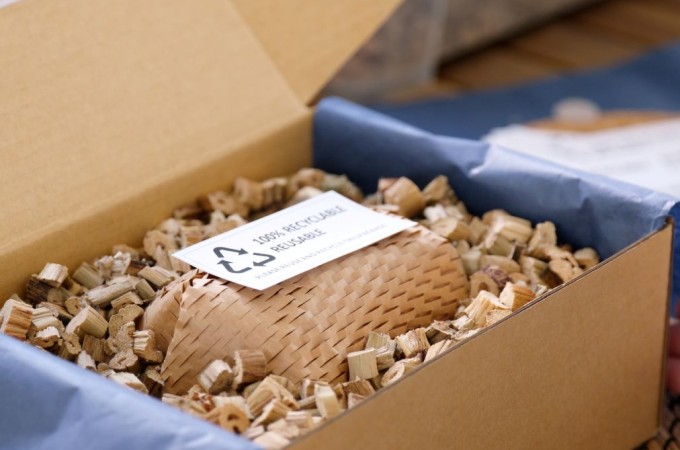
Packaging redesigns can also devise ways to eliminate or reduce the material used for protective packaging. Using the correct substrate and an optimized design often eliminate the need for excessive protective packaging like bubble wrap, paper wrap or plastic air pouches. Also, reducing the number of packaging parts, such as moving from a two or three-piece container to a single piece could save on material and labor costs, as well as easing inventory ordering, management, and storage.
3. Adopt packaging automation
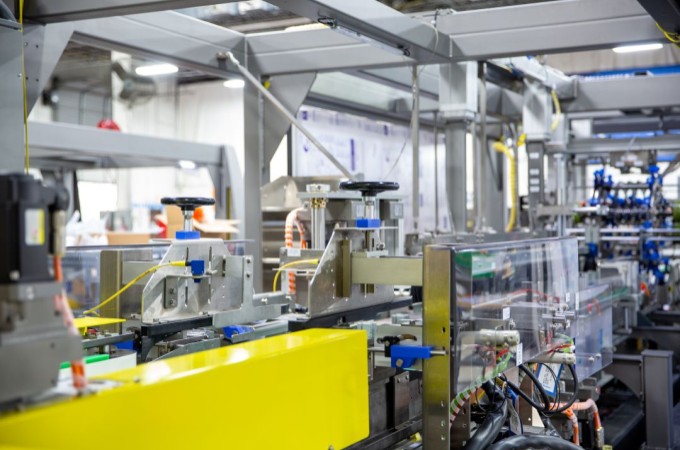
Reduce error and improve quality control
Manual packing leads to inconsistencies. Automation ensures that every box is erected, packed and sealed exactly the same way every time. This provides consistent quality and reduces product damage and waste caused by human error.
Reduce packaging time and labor costs
Adding automation to a packaging line typically reduces labor needed to package product while increasing the speed and output of packaged product. For example, one customer invested $2,000,000 in automated machinery. When consultants calculated the labor and efficiency savings, the numbers showed the customer would pay themselves back in just 13 months.
4. Improve shipping and transportation of packaging
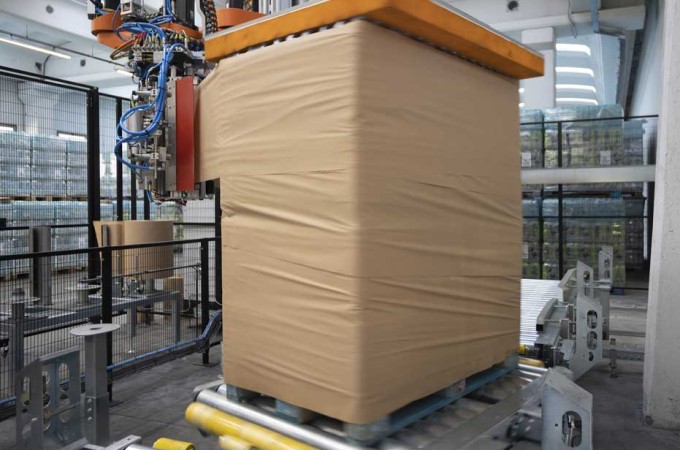
Our packaging consultants analyze how packaging moves once it’s packed and shipped, as well as the tertiary packaging used to move it.
How the product is shipped to distributors
When leaving a production facility, packaged goods may be shipped on a pallet, in a large corrugated container, or in a returnable plastic container (RPC). There are pros and cons to all of these methods, and packaging consultants can evaluate which method is most efficient and cost effective for a customer based on the specific product. Additionally, it’s always a good idea to think about how your business will ship the product as you scale. While one solution might be more cost effective now, another might be much more effective once the business grows.
Where packaging, storage and shipping locations are in relation to each other
If your packaging provider has a broad geographical footprint like Smurfit Westrock, it may be able to improve your logistics by leveraging its various locations for converting packaging. For example, our consultants helped a major food service provider improve their costs by utilizing more of our conversion plant locations. Instead of having all of their boxes converted at one plant and then shipping them across the country to all of their nationwide food service locations, we spread it out. With plants in multiple regions converting the customer’s boxes, we were able to then ship to the food service locations within the same region, cutting down on overall shipping costs.
A good packaging provider can help optimize your packaging line
The right packaging provider won’t just sell you packaging; it can help you evaluate the big picture. In addition to our teams of packaging consultants, Smurfit Westrock engages SupplySmart, a six-step optimization process that uses our proprietary software tools to pinpoint possible solutions and estimate their efficiency based on your data. This methodology helps us understand customer challenges, uncover opportunities and design packaging solutions that are scalable, actionable and aligned with real business needs.
Looking to streamline your operations? Contact us to get connected to experienced packaging consultants.
Share:


Our Latest Blogs

Recycled Fiber vs. Virgin Fiber: Building a Circular Economy
Read more
Hitting a manufacturing milestone on the path to net zero

What We’re Made of Matters: How Sustainable Packaging Materials Drive a Circular Future
8 Sustainable Alternatives to Single-Use Plastic Packaging

What it takes to hold and maintain forestry certifications

Request a call with one of our packaging experts
Request a sales call
Submit our form and we'll get back to you as soon as we can.