











Eco-friendly packaging explained: How to describe sustainable products meaningfully
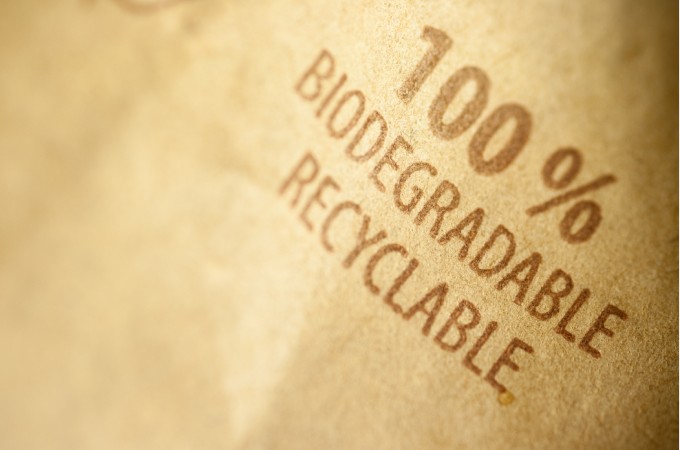
As the global regulatory environment continues to evolve, consumer awareness concerning the need for sustainability also continues to grow. Consumer demand and purchasing habits align; there’s been a 71% increase in online searches for sustainable goods over the last five years.
In our industry, consumers often search for “eco” or “environmentally friendly” packaging and products. However, those terms can be troublesome when labeling products, which is why we, as well as many other businesses, avoid using them and choose more specific, well-defined terms to describe the sustainability attributes of our packaging products.
The term “eco-friendly packaging” is vague
This description is very general and can mean different things to different people. The dictionary definition of eco-friendly is “not harmful to the environment.” This claim could mislead consumers unless clear language is provided that explains the specific attributes of the product that could benefit the environment or make it less harmful in comparison to similar products.
Is it because it’s recyclable or compostable? Is it because it’s made from renewable or recycled content? Or is it because it was manufactured through a carbon neutral process? It’s important for manufacturers to provide specifics like these.
For most products, while some environmental benefit may apply, it’s unlikely that the product and the manufacturing of it will not impact the environment at all—another reason why it’s important for manufacturers to be specific and avoid making a general environmental claim, such as “environmentally friendly” without qualifications.
Due to the vagueness and lack of support, environmental and regulatory organizations often label terms like “eco-friendly” as a form of greenwashing. Using terms like those are not only discouraged, but, depending on the country and region, regulatory agencies might also levy fines against businesses that use them when the use of the terms is determined to be misleading.
What terms can be used to describe environmentally friendly packaging?
Since it’s our goal to create a better planet through packaging, packaging consultants and engineers often work with our customers to find ways to create more sustainable packaging. Our Better Planet Packaging initiative focuses on making the packaging itself a part of a circular lifecycle and making packaging lines more efficient to reduce waste, energy usage and carbon emissions. Once we complete a BPP project, customers are eager to share the improvements they’ve made with their consumers who desire greater sustainability. There are certain things they need to keep in mind before making any claims.
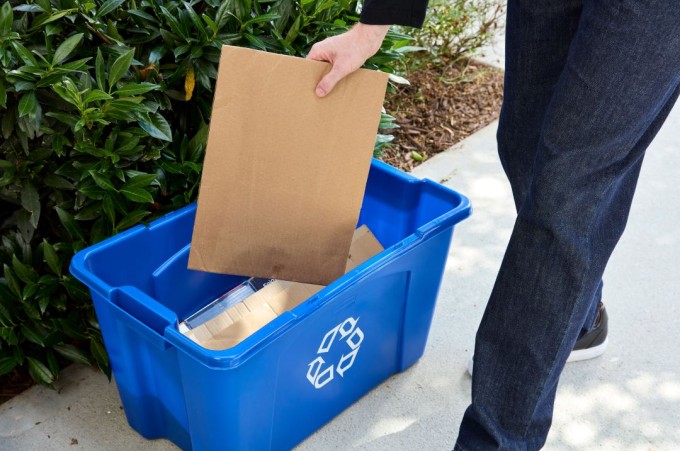
First, any claim made should be specific in nature. A product could technically be “recyclable,” but what if most recycling facilities won’t accept it or consumers don’t have access to a recycling facility? What if the consumer needs to rinse or break down the product before a recycling facility will accept it? To ensure consumers are aware, these details need to be considered so producers can add a more meaningful claim to the product.
In addition to being more specific, claims should follow all applicable regulations regarding green claims. For example, according to the U.S. Green Guides, to label something as “recyclable,” at least 60% of consumers must have access, or the ability to recycle the product. If not, the claim must be qualified: for example, “Recyclable where coated paperboard is accepted.” According to Europe’s proposed Green Claims Directive, any sustainability claims must be clarified and substantiated by providing information like data from life cycle analyses.
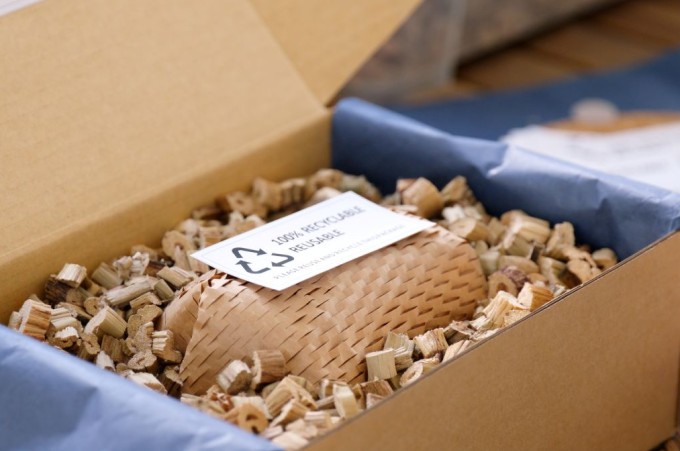
We typically support qualifying claims with facts, research and evidence. This is the perfect way to earn consumer trust through transparency. Also, adding interactive elements to packaging, such as QR codes or NFC tags, is a way to turn packaging into an information portal, providing consumers with more specific information about how products and packaging are made or how to recycle them properly.
Can terms like “eco-friendly” ever be used for packaging?
While we avoid blanket terms and use more specific terms supported by substantial facts, there are always instances where using a term like “eco-friendly packaging” could be useful. For example, when discussing what consumers desire, in general, they want to avoid doing harm to the environment. So, we could say, they desire “eco-friendly” packaging or lifestyles, and we could provide them tips on how to acquire that.
When consumers search for products online, they might look for “environmentally friendly” packaging or products, so incorporating the term into online language may be helpful to businesses providing sustainable products.
Learn more about meaningfully communicating sustainability
Tapping into local regulatory agencies will provide information on how claims are handled regionally. This provides a challenge for global businesses. However, following the strictest guidelines should ensure compliance in all regions.
Despite regulatory differences, what all these regulations have in common are goals for businesses to be transparent and clear with consumers and to avoid misleading advertising. Therefore, having the same goals should keep businesses on the right path.
For more information, consider these resources:
Our Latest Blogs