











Sustainable Dairy Packaging and Other Trends Redefining the Category
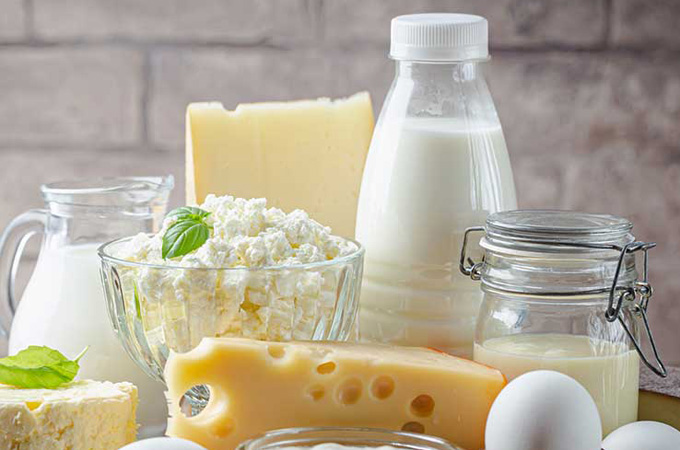
Today’s dairy consumers are looking for more information, convenience and sustainability from the products they buy. Preferences are no longer driven solely by taste or nutrition. Shoppers want clarity about sourcing, confidence in quality and sustainable dairy packaging that fits the realities of their daily routines.
These expectations are redefining dairy packaging market trends, driving the development of innovative new solutions. Packaging has become a critical bridge between brand and consumer, delivering the transparency, safety and reliability that modern shoppers expect. As habits trend toward portion control, lunchbox-friendly formats and at-home stock-ups, multipack formats are playing an increasingly important role in how consumers buy and use dairy every day.
Sustainability continues to play a defining role, as well. Around the world, consumers are seeking packaging that reduces waste, supports recycling and reflects a brand’s environmental commitments. For dairy producers, this means balancing functional performance with lighter, more recyclable designs, all without compromising product integrity or shelf appeal.
Together, these forces are redefining the future of dairy packaging. Below, we explore some of the trends driving this transformation and the opportunities they present for brands to strengthen trust, deliver convenience and lead with purpose in a rapidly evolving market.
1. Transparency Trends are Transforming the Dairy Packaging Market
As consumer expectations rise, dairy producers are embracing solutions that clearly communicate sourcing, nutrition and traceability — helping shoppers feel confident from farm to fridge.
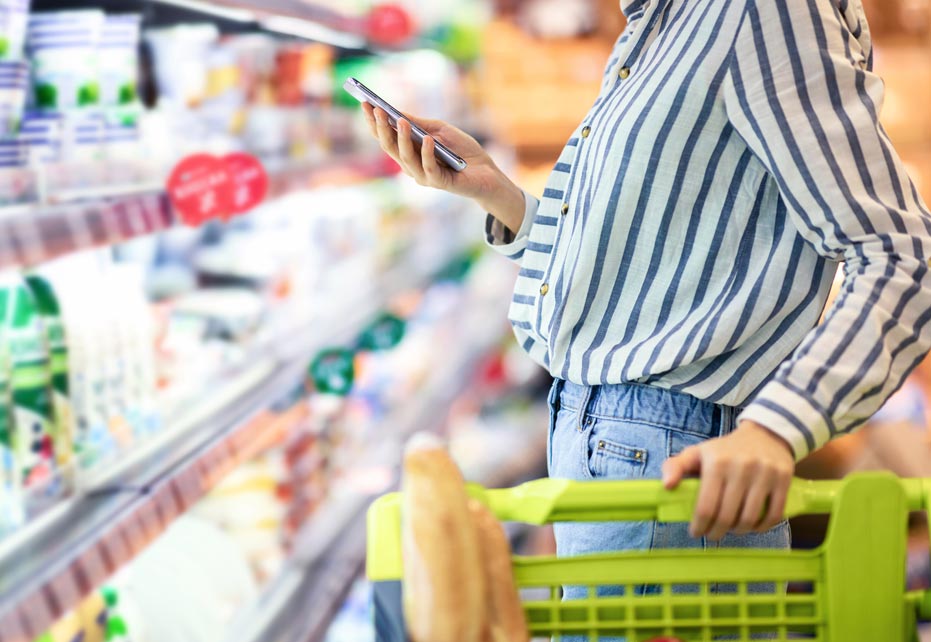
Today’s consumers are paying closer attention to where their food comes from, and dairy brands are responding with packaging that puts key information front and center. Clear labeling, origin callouts and scannable elements like QR codes give shoppers instant access to sourcing, animal welfare practices and nutritional data.This reflects a broader rise in expectations. A 2024 NielsenIQ report titled “5 Ways Transparency Will Evolve”, highlights the share of shoppers who say transparent product information is important has climbed from 69% in 2018 to 76% in 2023. That momentum is reshaping today’s dairy packaging priorities, pushing visibility and clarity to the forefront of the dairy packaging market.
Digital traceability tools also continue gaining traction. More than 80% of consumers say they’re likely to use a QR code, website or app to seek more product details, whether they’re shopping in-store or online1. That puts the package in a new role as a bridge between physical and digital experiences, especially for brands competing in the crowded dairy packaging market. When done well, these connected packaging features build trust and help reinforce commitments to quality, freshness and responsible sourcing.
Health-conscious shoppers are especially attentive to packaging information, with nearly 60% saying they find “healthy” claims on food labels highly valuable2. For dairy brands, this makes transparent dairy packaging design an opportunity to communicate benefits quickly and credibly while guiding consumers from farm to fridge with confidence.
Packaging Takeaway: The dairy packaging market is embracing clear origin cues and easy access to product information to help shoppers feel informed and confident at the shelf.
2. Sustainability Is Rising to the Top in Dairy Packaging Design
Growing sustainability expectations are inspiring dairy packaging design that favors recyclable materials, minimalist structures and reduced waste without compromising product protection or shelf impact.
Simplicity, recyclability and material reduction are now central expectations within the global dairy market, as consumers reward purpose-driven design that minimizes waste. That change is measurable: products making sustainability-related claims saw 28% cumulative growth over five years, outperforming those without such claims3. In dairy, where formats range from tubs to bottles to cartons, this trend is accelerating investments in recyclable substrates and lightweight structures that protect freshness while reducing environmental impact.
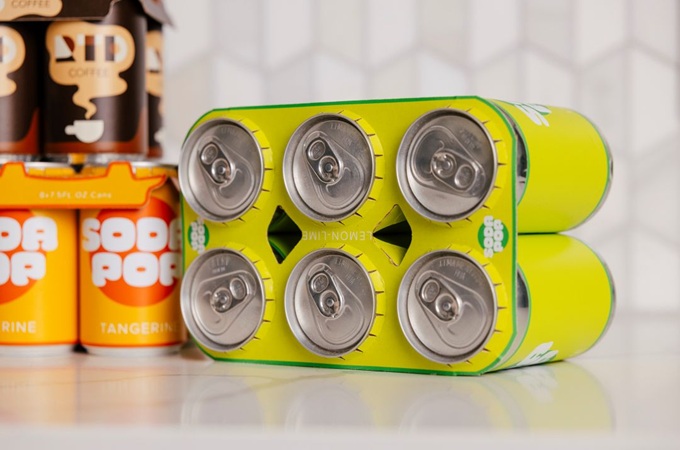
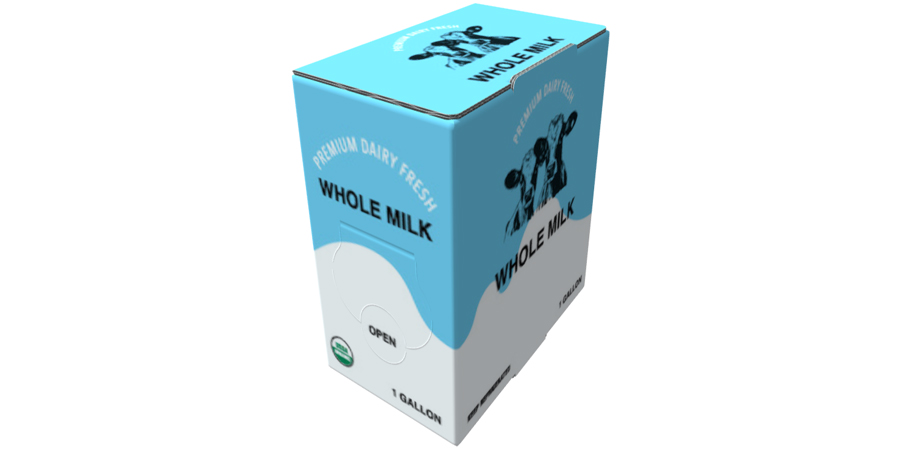
Minimalist aesthetics also play a role. Reduced materials in common dairy packaging like folding cartons or paper-based multipack cartons signal responsibility and reinforce a brand’s environmental ambitions. Crash lock boxes also fit seamlessly into this trend, offering quick setup and strong recyclability that helps streamline the supply chain. Retailers are paying attention. As they set stronger sustainability expectations, dairy brands are increasingly incorporating retail ready packaging (RRP) design that reduces waste, improves shelf efficiency and supports recycling streams. Together, these design choices position circularity as a core competitive advantage rather than an optional upgrade.
Packaging Takeaway: Material reduction and recyclable formats give dairy brands a clear path to designing packaging that supports circular systems.
3. On-The-Go Lifestyles Demand Portable Packaging
Modern dairy shoppers want convenience and portion control, driving a rising need for portable, resealable formats that fit busy schedules and support evolving dairy packaging market trends.
Busier lifestyles and changing consumption habits have made portability and portion control essential for modern dairy shoppers. Formats like single-serve milks, portable yogurts and resealable pouches help consumers enjoy dairy whenever and wherever they want to — at work, in lunchboxes, after workouts or on the school run. And the demand is clear: 69% of consumers globally say they look for snacks that are portion-controlled, rising to 74% among younger generations4, showing just how strongly single-serve, right-sized formats align with modern eating habits.
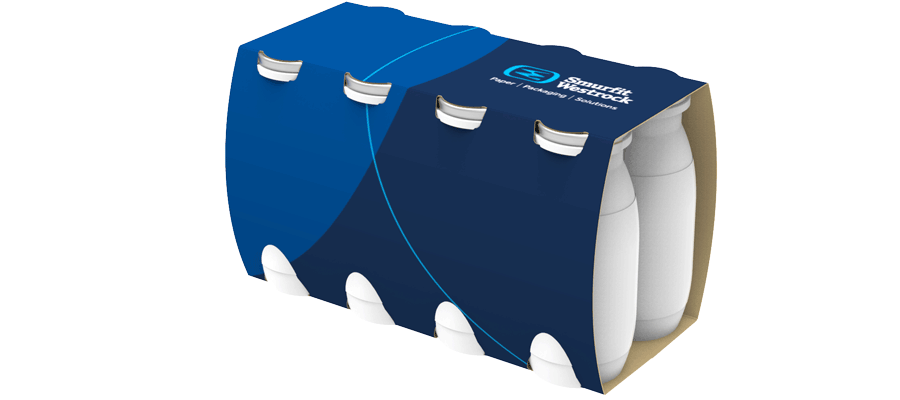
These preferences are prompting brands to rethink structure, portioning and ergonomics within the evolving dairy packaging market. Durable, lightweight materials ensure products stay protected in backpacks and gym bags, while resealable closures maintain freshness over longer periods. Multipack formats also support this demand, with sturdy multipack cartons making it easy for families to buy grab-and-go multipacks that reduce waste and simplify weekly planning.
Packaging Takeaway: As consumption continues to move toward snacking and away from traditional sit-down meals, on-the-go packaging formats are becoming a defining growth engine for dairy brands.
As dairy brands navigate evolving consumer expectations, packaging has become a core driver of trust, differentiation and value. The trends shaping today’s dairy packaging market reflect a broader movement toward purposeful innovation, where material choices, structural simplicity and clear communication work together to elevate both product experience and brand integrity.
Sustainability is now a strategic advantage, and thoughtful formats, renewable materials and retail-ready designs help brands stay ahead. If you’d like to see how we can optimize your dairy packaging, contact us today.


Our Latest Blogs