












How packaging fresh produce correctly protects it from loss
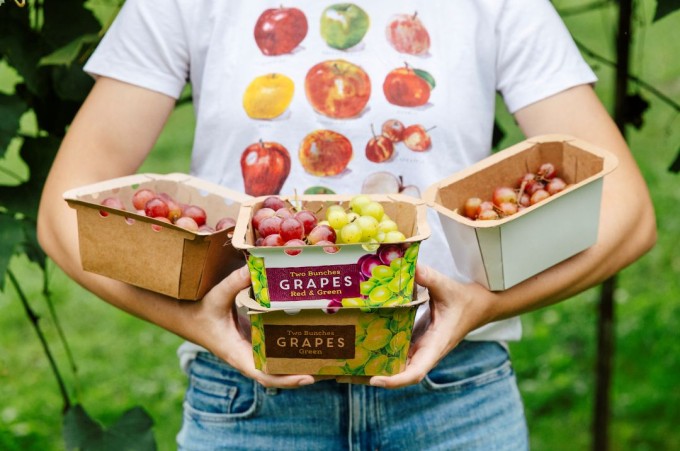
Poor packaging puts a brand's reputation and its projection in international markets at risk. Global requirements in terms of sustainable consumption and traceability leave no room for improvised solutions. So, how do you ensure that produce arrives in optimal condition anywhere in the world? Our fresh produce packaging experts provide suggestions on how to achieve the perfect path for produce.
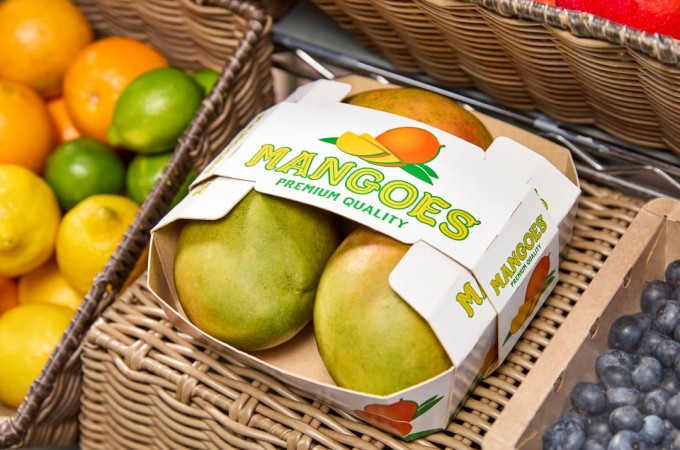
Our process for optimizing produce packaging
Custom-designed packaging aligned with sustainability criteria is essential for any company looking to scale its exports without compromising quality or costs. Current technology makes it possible to develop specific structures for different types of fresh food, adapting to transportation needs, climate and compliance with international regulations.
To create custom designs aligned with produce needs, we use our suite of proprietary Innotools software, such as Paper to Box™, to choose the right substrate and the appropriate strength of the paper. Our software also helps us to identify the most efficient and functional designs, avoiding the use of excess material. This not only optimizes logistics performance and reduces losses, but also facilitates regulatory compliance, improves product perception and opens the door to markets where responsible packaging has become a requirement.
Considerations when choosing produce packaging
The development of good packaging involves understanding the product, its logistics route and the demands of the destination country. Each type of produce presents its own unique challenges; anticipating them from the beginning is the key to avoiding losses.
“It’s important for us to know the customer’s packaging line and transport in detail,” said Agustina Rovegno, Smurfit Westrock innovation manager in Argentina. “We want to know what the product may encounter when it comes to temperature and cold chambers, humidity, the type of transportation, and the distance it’s traveling.”
In countries like Brazil or Colombia, produce may travel long distances by truck and through mountains where roads are likely to be unpaved. Packaging must protect the product and stay stacked and stable while traveling through it all. In total, designers consider:
- The type of food and its conservation needs.
- The environmental conditions of the journey (temperature, humidity, handling).
- The duration and complexity of export logistics.
- The technical and regulatory requirements of the destination country.
- The preferences of the end consumer and the perception of the packaging.
- The environmental impact and recyclability of the chosen material.
Capellaro Fruits in Brazil wanted to replace its bulky packaging with a more sustainable produce tray that would reduce costs and its environmental footprint. Our designers set out to create packaging that would maintain the same packaging performance and strength, as well as hold the same amount of fruit. Using our PackExpert™ tool, we calculated the exact strength required for a pack and designed a corrugated tray that’s as durable as the previous. The solution allowed for the trays to be transported flat, significantly reducing the number of trucks required for delivery. That lowered transportation costs and cut down on carbon emissions, while maintaining packaging performance during transport through Brazil and beyond.
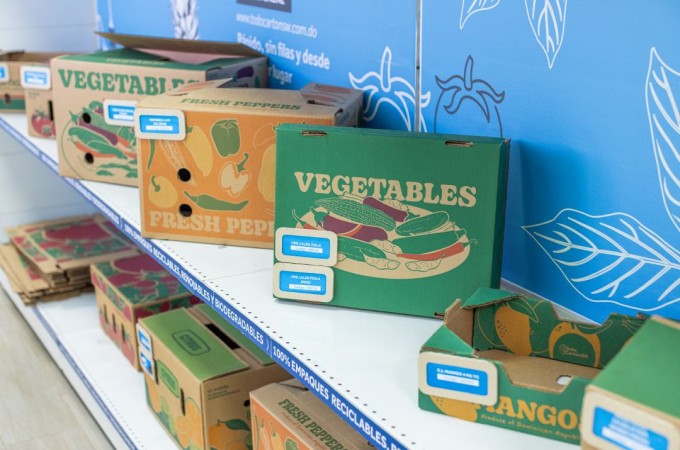
Key fresh produce packaging features that protect quality
Protecting quality is the first priority in produce packaging because nothing will impact success faster than spoiled product that can’t be sold. While most growers understand this, our experts say they still spend time educating our customers.
“We have to help them understand that good packaging does cost more,” said Allison Costa, Smurfit Westrock product development coordinator in Brazil. “However, choosing packaging that costs less and then losing product is even more costly. Quality packaging should help reduce the indirect costs.”
While each package is designed or chosen based on the specific needs of the grower or producer, features are typically aimed at reducing spoilage by achieving one of three things: ventilation, moisture resistance or structural integrity. Like a three-legged stool, produce needs all three to stay fresh and maintain quality.
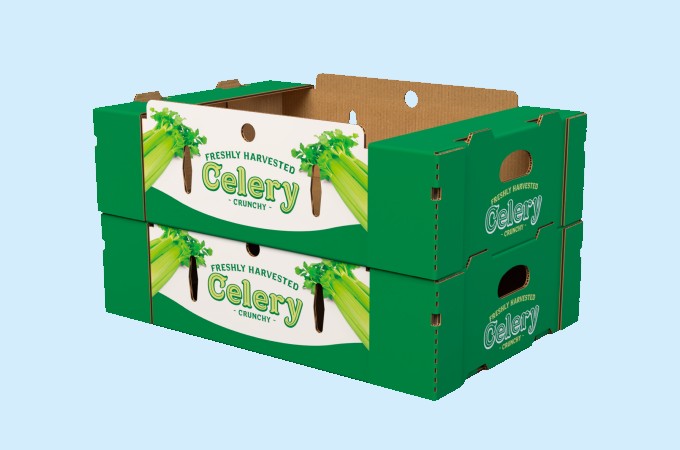
Features for Ventilation
Produce needs proper ventilation throughout its journey, during storage, transportation and/or export. Proper air circulation reduces moisture accumulation, better manages temperatures and supports refrigeration. Additionally, the contents need air circulation when a package stands alone and when it is stacked for shipment, which can be a challenge.
Product at the bottom of a stack or surrounded by other stacks needs the same airflow. To achieve this, designers include features such as strategic cut-outs and perforations in the packaging that allow air into the box itself and to flow through stacked boxes. However, this is a technical balance. More perforations don’t always mean better performance as perforations can weaken the structural integrity of a box.
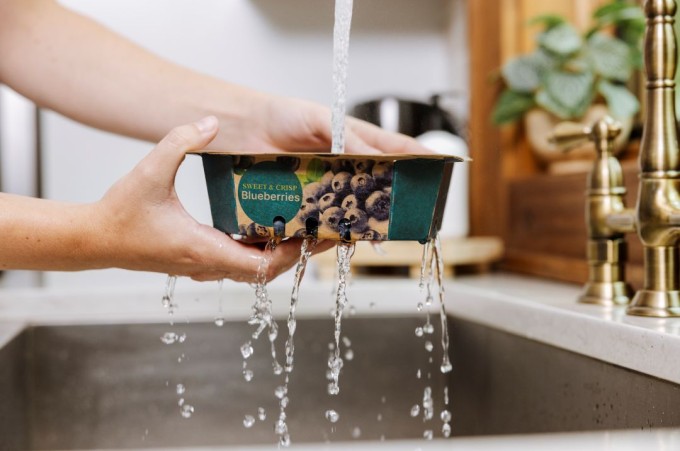
Features for Resisting Moisture
Produce sprayed with water is a common sight when shopping for groceries. Proper humidity, condensation and cool temperatures are essential for keeping produce from spoiling, even when it’s shipped. However, those conditions can impact the structural integrity of boxes when produce is in transport, so designers must create boxes to withstand any moisture they will encounter.“A major challenge for us in Colombia is dealing with radom inspections. Containers can be opened at port, which compromises the cold chain and generates condensation inside the containers when warmer air is introduced,” said Gilberto Avendano, a Smurfit Westrock innovation leader in Colombia. “So, we have to design for the possibility of the contents and packaging of coming into contact with light moisture.”
Designers add features to prevent the presence of moisture from affecting the strength of produce packaging, features like:
- Protective barriers and coatings.
- Water-repellant treatments.
- Water-resistant adhesives.
- Packaging made from virgin fiber.
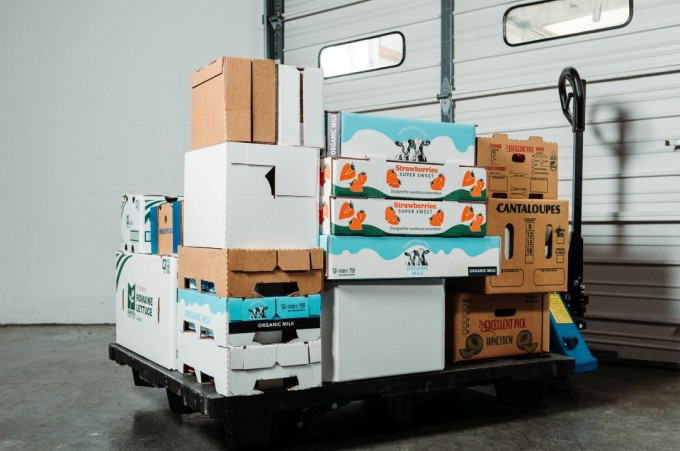
Features for Structural Integrity and Stacking Strength
Most packaging needs to withstand stacking as well as protect its contents. Produce packaging specifically needs to maintain handling strength, vibration and impact resistance during transport, pallet stability and long-term transport in the case of export.“The packaging needs to be designed to maintain stability when stacked on pallets and in containers, which reduces the risk of collapse during international shipments,” said Luciano Oliveira, Smurfit Westrock development and innovation coordinator in Brazil.
Because perforations or cut-outs for ventilation can compromise box strength, there are certain features that may need to be added to the design to provide greater strength. These features include:
- A stronger grade of board
- Reinforcements
- Optimized shape and geometry
- Columns
In addition to the packaging, our experts make handling recommendations since proper handling helps ensure packaging will function at its best.
“A customer may not strictly follow good palletization practices or correct strapping,” said Alessandra Oliveira, Smurfit Westrock packaging designer. “It’s essential that it be done correctly, because any deviation can endanger the packaging performance and not deliver the expected result to the end consumer.”
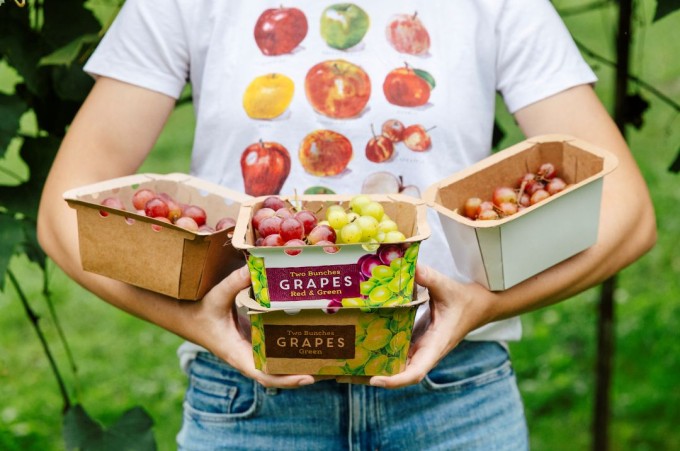
Regional packaging solutions to global produce challenges
Designing suitable produce packaging not only protects product quality; it also improves logistics efficiency, reduces waste and facilitates access to markets with high environmental standards. Good design takes into account multiple variables — product, journey, regulations, and consumer perception — paving the way to a successful shipment.
This is why we offer production solutions adapted to the real needs of the sector, combining innovation, technology and environmental commitment. If you want to know how we can help you optimize your fresh produce packaging for export, contact us to discover the best options for your business.


Our Latest Blogs