














Sustainable Produce Packaging and the Trends Reshaping the Category
At the same time, producers are navigating a more complex supply chain, balancing efficiency with rising demands for transparency and responsible sourcing. These shifts are driving renewed attention to how produce packaging performs across distribution, how it supports waste reduction, and how it contributes to a more resilient category overall.
As a result, design is taking on a larger role, with retailers and brands recognizing that packaging often sets the tone for product perception. Whether through structure, material selection or shelf presence, packaging has become a strategic tool for communicating value, meeting consumer preferences and supporting long-term category growth.
Against this backdrop, new packaging priorities are emerging that reflect both consumer mindset and industry momentum. Together, they reveal how produce brands can strengthen performance, reinforce trust and meet the demands of today’s marketplace.

Brands are adopting new strategies to lower emissions and build smarter, more circular systems across today’s evolving recyclable produce packaging landscape.
Fruit and vegetable producers are increasingly seeking ways to reduce their environmental footprint through lighter packaging formats, fewer components and more efficient sourcing decisions. In response, packaging manufacturers are prioritizing lightweight materials and streamlined designs that use less material overall while maintaining performance, supporting a broader shift toward more efficient, climate-conscious supply chains across the fruit and vegetable market.
“The produce market has seen some incredible innovations in recent years that have transformed traditional expectations for packaging,” said Chris Davidson, vice president of sustainability engagement at Smurfit Westrock. “In a field that was once heavily reliant on plastic, we now have recyclable, paper-based packaging that can perform just as well, even in challenging conditions.”
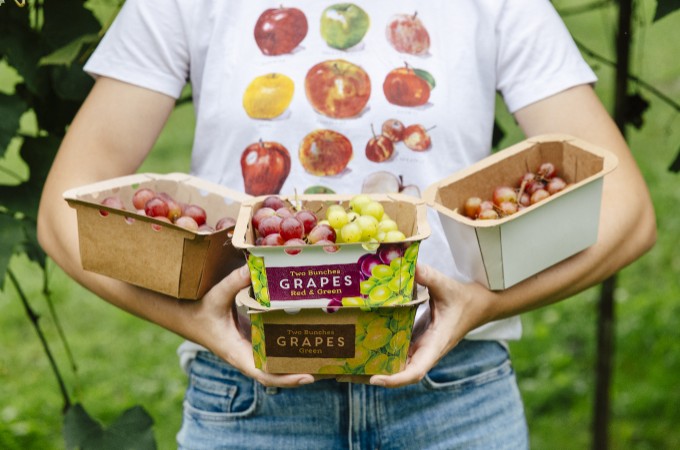
Recycled fibers and bio-based materials are gaining traction, offering brands a way to optimize material use without compromising durability. Solutions like our EverGrow® Produce Packaging support this transition with responsible materials that perform well in cold-chain environments, while produce bins that leverage lighter paper-based substrates and sturdy formats help cut freight emissions and reduce excess material. Together, these choices contribute to more efficient, climate-conscious supply chains from field to retail.
Packaging Takeaway: Recyclable produce packaging made from lightweight, paper-based materials and smarter structures can help producers reduce emissions and support more circular fruit and vegetable packaging systems.

Consumers are gravitating toward vegetable and fruit package design that feels natural and authentic, pushing brands to explore design cues that better align with plant-forward preferences.
Brands are leaning more heavily into natural design elements to signal freshness and environmental responsibility, as shoppers gravitate toward colors, textures and imagery that feel authentic. With NeilsonIQ reporting that 92% of consumers saying sustainability influences their brand choices, fruit and vegetable brands are responding by developing visuals and messaging that reflect a plant-forward mindset and clearer environmental intent.
This momentum is influencing the fruit and vegetable packaging landscape, especially as shoppers engage more strongly with formats that feature clear sustainability messaging, such as plastic-free or recyclability callouts. Paper-based structures reinforce these values while meeting performance needs across the category. When paired with structural solutions like corrugated trays, these design choices strengthen shelf presence, improve recyclability and help brands align more closely with modern consumer expectations.
“Today’s produce brands don’t have to view performance and sustainability as competing priorities,” said Chris Davidson, vice president of sustainability engagement at Smurfit Westrock. “Paper-based packaging can be beautiful, functional and perform better than plastic — while being recyclable.”
Packaging Takeaway: Natural aesthetics and paper-based formats subtly suggest freshness and align with the plant-focused values more shoppers are seeking.

Crisp graphics, refined textures and high-quality materials are raising standards for fruit and vegetable packaging, helping differentiate brands in busy retail environments. According to Ipsos, two thirds of American shoppers say paper and cardboard packaging makes products more attractive, and nearly as many associate these formats with premium quality, reinforcing the role of presentation in shaping perception.
Paper-based structures pair sustainability with elevated design, offering rich printing, tactile finishes and clean visuals — signals that help brands move beyond purely functional formats toward packaging that communicates craftsmanship and value. Even simple upgrades, from soft-touch coatings to refined opening features or unexpected die-cuts, can strengthen shelf impact and enhance the overall experience while maintaining responsible material choices.
Packaging Takeaway: Premium design elements like striking graphics, refined textures and paper-based formats can help produce brands boost shelf impact and product perception.
As the fruit and vegetable category evolves, packaging has become a defining indicator of freshness, responsibility and quality. Brands that adapt quickly — through strategic updates like smarter materials and elevated presentation — are better positioned to meet rising expectations from both shoppers and retailers.
By embracing these emerging priorities, producers can strengthen trust, support sustainability goals and create packaging that delivers impact well beyond the produce aisle. If you’d like to see how we can bring new thinking to your produce packaging, contact us today.


Spotlight on Latin America
- Packaging Implication: Recyclable, circular packaging is about more than function — it’s critical to staying compliant, competitive and on shelf amidst evolving sustainability regulations.
- Packaging Implication: Packaging must be ready and available when the produce is harvested, and durable enough to protect valuable, highly perishable fruits and vegetables across long routes.
- Packaging Implication: For produce brands, refining packaging is a critical lever. By developing packaging solutions that use lightweight materials and ensure proper ventilation—while still maintaining the strength needed to handle cooling cycles, moisture, and the unique rigors of storage and transport—brands can capture efficiencies that directly help offset these major freight cost increases. Every optimization in packaging drives greater impact given today’s elevated freight costs.
Our Latest Blogs