










Cool Trends in Frozen Food Packaging Design
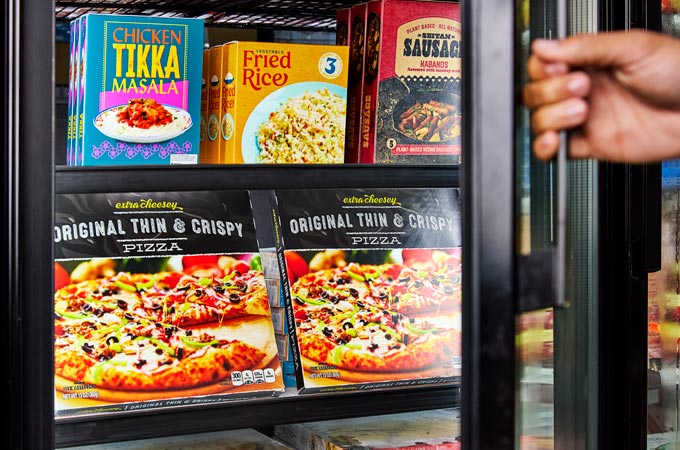
Once considered a convenience-only category, frozen food has transformed into one of the most innovative and fast-moving sectors in retail. Today, consumers expect more than just a long shelf life — they want freshness, premium quality and global variety, all delivered with sustainability in mind. As demand evolves, the frozen food packaging market is adapting to balance functionality, visual appeal and environmental responsibility.
Packaging plays a critical role in this evolution. From insulated packaging for frozen food that maintains optimal temperatures during transport to retail ready packaging that enhances visibility and storytelling in store, innovation is redefining what frozen food looks like, and how it performs. At the same time, regulatory pressure is accelerating progress, with legislation like the EU Packaging & Packaging Waste Regulation (PPWR) aiming to make packaging recyclable in an economically viable way by 2030.
Sustainability also remains a defining factor. With 77% of consumers saying recyclability is “extremely important” or “very important” when judging packaging,1 brands are prioritizing recyclable frozen food packaging and fiber-based alternatives to reduce plastic use and signal care for the planet. These shifts reflect a broader movement toward purposeful design, where packaging serves both the product and the planet.
Amid this transformation, three key consumer trends are shaping what’s next for frozen food — and redefining expectations for the packaging that protects, presents and preserves every meal.
1. Restaurant-Quality Frozen Meals and Meal Kits
For premium, restaurant-quality meals, shoppers are turning to the freezer aisle, as well as meal kit delivery services that preserve flavor and freshness with specialized frozen food shipping packaging.
A growing number of consumers are discovering restaurant-quality meals in two places: the freezer aisle and the subscription meal kit category, where fully frozen entrées and components deliver convenience without compromise. In fact, the premium frozen food segment grew by 20% in 2024, reflecting rising demand for upscale, chef-inspired frozen meals that deliver restaurant-style quality at home.2 The rise of chef-inspired recipes, high-end frozen entrees and premium meal kits has transformed frozen food into a way to enjoy restaurant-style dining at home: faster, fresher and often at a fraction of the cost.
To meet these expectations, brands are investing in high-performance frozen food packaging materials, like our thermally stable PolarShield and oil and grease resistant EnShield substrates, that maintain texture and flavor integrity across both retail and direct-to-consumer delivery. Moisture resistant packaging and water resistant packaging solutions help prevent freezer burn and protect delicate ingredients, while insulated liners and durable structures ensure meal kits stay intact throughout last-mile transit. At the same time, advances in frozen food packaging design ensure that premium positioning carries through visually, using matte finishes, clear windows and bold graphics that reinforce quality and trust.
Packaging Takeaway: For brands competing in the premium frozen and meal kit space, high-performance frozen food packaging materials can be the difference between every day and elevated.
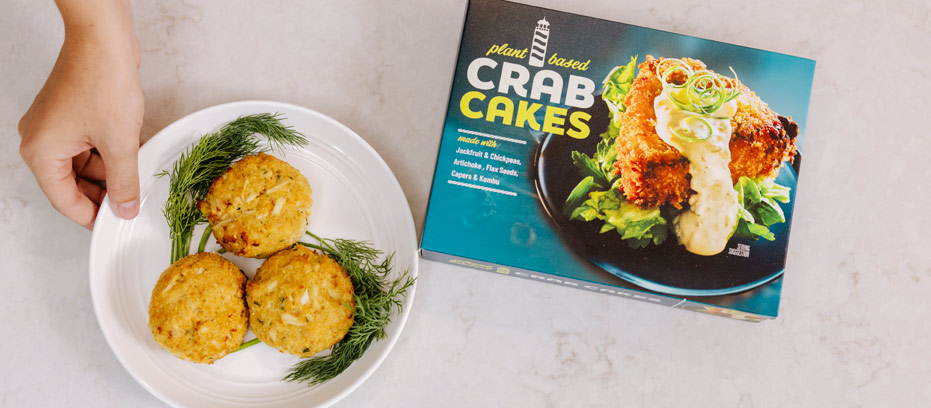
2. International Flavors Designed for Discovery
Global flavors are redefining the frozen food aisle, driving demand for innovative frozen food packaging design that conveys authenticity and cultural storytelling.
From Korean barbecue to Indian curries and Japanese ramen, international cuisine is taking over the frozen aisle. A 2024 ConAgra Brands report found that the growing demand for international flavors is one of the strongest forces driving frozen food innovation, especially in Asian-inspired offerings. Shoppers are using frozen food to explore global flavors that once required restaurant visits or specialty stores. This rise in adventurous eating has turned packaging into a vehicle for cultural storytelling and authenticity.
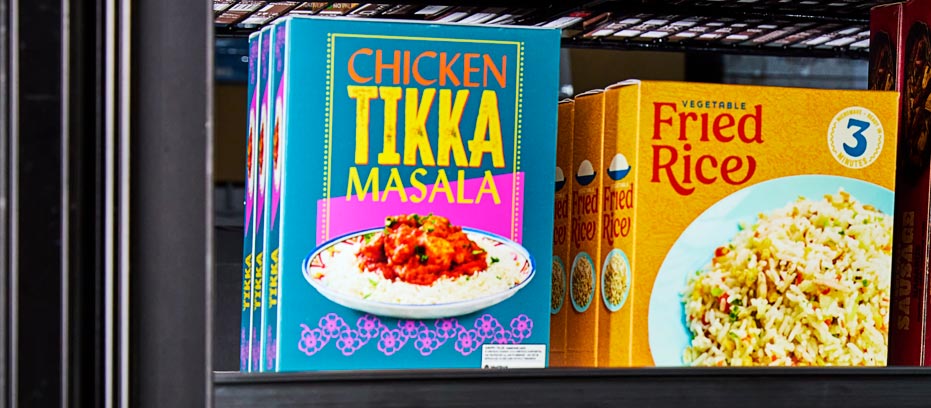
To protect quality and convey origin, brands are relying on frozen food packaging that ensures freshness throughout long distribution routes. At the same time, thoughtful frozen food packaging design elements on cartons and wraps — traditional patterns, regional color palettes and typography — help consumers instantly connect with the heritage and craftsmanship behind the meal. The result: packaging that not only protects but also inspires curiosity, discovery and delight.
Packaging Takeaway: Culturally inspired frozen food packaging design can make every product feel like a destination, delivering freshness, flavor and story in equal measure.
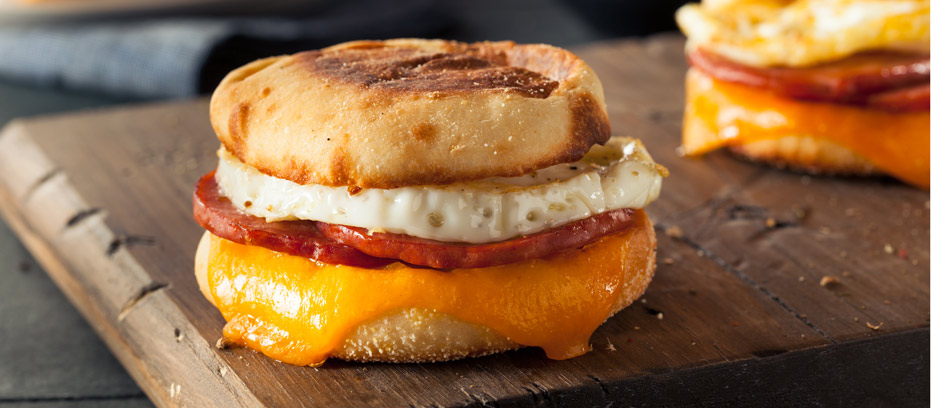
3. Fast-Paced Mornings Inspire Grab-and-Go Breakfast Packaging
Mornings are moving fast and consumers want wholesome, grab-and-go frozen breakfast options in recyclable frozen food packaging that keeps up.
Frozen breakfast foods are experiencing a surge as shoppers look for a quick, wholesome start to the day. According to Circana’s Future of Morning Report from 2024, in fact, 90% of morning meals are made in 15 minutes or less, highlighting why heat-and-eat formats and on-the-go options resonate with consumers. From protein bowls to breakfast burritos and waffles, consumers are embracing frozen options that save time without sacrificing nutrition or taste.
Packaging is playing an essential role in this change. Brands are turning to recyclable frozen food packaging and renewable materials that preserve freshness while minimizing waste. Lightweight, moisture resistant packaging helps maintain product integrity, while resealable and portion-controlled formats align with modern, on-the-go lifestyles. By combining function, sustainability and ease, frozen breakfast packaging is helping redefine morning routines — and expectations for sustainable convenience.
Packaging Takeaway: Functional, recyclable frozen food packaging can help brands deliver the balance of convenience, nutrition and sustainability that defines modern mornings.
As the frozen food category continues to expand, packaging is becoming the bridge between innovation and experience. It must preserve freshness, communicate authenticity and minimize environmental impact, all while supporting global goals like the EU’s 2030 recyclable packaging target. Brands that embrace these challenges will be the ones to shape the future of the freezer aisle.
At Smurfit Westrock, we design frozen food packaging solutions that protect and perform at every stage — from insulated packaging for frozen food and moisture resistant packaging to retail ready packaging that tells your brand story on the shelf. If you’d like to see how we can help your brand deliver more flavor, freshness and sustainability with your frozen food packaging, contact us today.


Our Latest Blogs