










Market Dynamics Shaping the Packaging of Processed Foods and Snacks
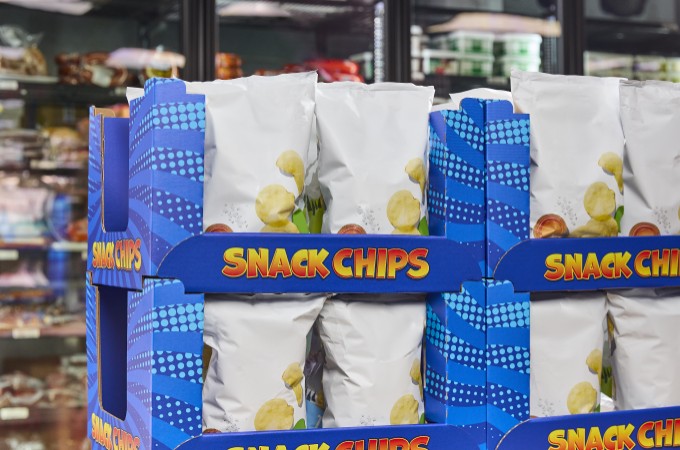
Today’s snack-focused marketplace is forcing brands to reconsider the packaging of processed foods to better communicate quality, experience and relevance.
The packaging of processed foods is playing an increasingly integral role in today’s market, as changing lifestyles, new consumption habits and evolving shopper motivations reshape how products are chosen and experienced. Within this broader landscape, the snack segment has taken on an even more influential role, reflecting consumers’ desire for options that feel purposeful, enjoyable and suited to a variety of everyday moments.
As the market grows more competitive, snacks are being evaluated not only for taste but for the emotional, experiential and functional benefits they provide. Brands need to communicate quality, relevance and clarity from the very first glance — and they’re relying on their processed food packaging to share that message. Decisions around structure, materials and visuals now carry greater weight in determining how a product performs on shelf and how strongly it resonates with its intended audience.
These developments are encouraging brands to reevaluate how different processed food segments, including snacks, show up across the marketplace. New priorities are taking shape, highlighting where interest is headed and how relevance can be strengthened in a crowded field. Collectively, they reveal several trends shaping what comes next:
As the market grows more competitive, snacks are being evaluated not only for taste but for the emotional, experiential and functional benefits they provide. Brands need to communicate quality, relevance and clarity from the very first glance — and they’re relying on their processed food packaging to share that message. Decisions around structure, materials and visuals now carry greater weight in determining how a product performs on shelf and how strongly it resonates with its intended audience.
These developments are encouraging brands to reevaluate how different processed food segments, including snacks, show up across the marketplace. New priorities are taking shape, highlighting where interest is headed and how relevance can be strengthened in a crowded field. Collectively, they reveal several trends shaping what comes next:

Consumers are redefining snack time as an experience-driven moment, turning to bold flavors and creative collaborations that feel intentional and high quality. Nearly 77% of consumers say snacking is one of their few indulgences, and 74% agree they may switch snacks for better quality. This growing desire for luxury and satisfaction is pushing brands to rethink how they create a premium experience through both texture and taste.
As gourmet offerings expand, packaging becomes a key part of the upscale experience. Luxe finishes, richer graphics and refined structures help snacks feel special, while functional packaging formats like corrugated trays establish shelf presence. The rise of processed food packaging trends centered on gourmet luxury also highlights a growing emphasis on visual storytelling — with designs that mirror culinary craftsmanship and reinforce a sense of treat-worthy quality.
Ultimately, gourmet flavors and high-quality presentation go hand in hand. Whether through sleek, giftable cartons printed with the use of decorative technologies, or enhanced printing on corrugated boxes, gourmet snacks increasingly rely on packaging to communicate value before the first bite.
Packaging Takeaway: Premium visuals and refined structures can help snack brands signal quality and stand out in a market where shoppers increasingly rely on packaging to reflect an elevated experience.

Nostalgia is reshaping the snack aisle as consumers reach for flavors and formats that evoke familiarity, warmth and emotional connection. With 80% of consumers saying their favorite childhood snacks make them feel nostalgic and 79% noting that snacks evoke memories of home, comfort-driven snacking is becoming a powerful emotional anchor.
This nostalgic resurgence creates new opportunities for sustainable, paper-based packaging to tap into memory and sentiment. From snack cups to shelf-ready packaging, paper packaging is a prime canvas for retro-inspired graphics, heritage colors and familiar shapes that help brands lean into emotional storytelling. Finishes and formats that feel welcoming and approachable — whether through simplified consumer product labels or classic visual motifs that nod to earlier eras — can help brands to bridge past and present. Familiarity in processed food packaging designs encourages shoppers to reconnect with long-loved products in fresh, relevant ways.
Packaging Takeaway: As shoppers increasingly seek feel-good experiences, approachable, memory-driven cues help comfort snacks feel familiar and trusted while staying relevant in modern retail environments.

As wellness priorities grow, many consumers are seeking snacks that deliver more than flavor. Functional benefits — energy, digestion, immunity and more — are shaping modern snacking choices, with 45% of consumers (and 52% of Gen Z and Millennials) saying they snack specifically to take care of their bodies or meet nutritional needs. In fact, with PwC reporting that more than half of shoppers say they are extremely or very concerned about the nutritional value of their food, this underscores how function-first decision-making is reshaping expectations. Even categories traditionally seen as indulgent are evolving. Products with health and wellness positioning now make up 46% of granola and snack bar sales but also 25% of tortilla and corn chip sales —proof that functional values are permeating both expected and unexpected snack segments.
Packaging plays a pivotal role in articulating these benefits. Clear communication, clean layouts and transparent claims help shoppers quickly identify functional attributes. As consumer expectations and regulatory requirements grow, consumer product labels become key to conveying functional attributes with accuracy and trust.
Innovation is accelerating as technology advances. Breakthroughs in processing and food packaging automation support improved nutritional retention, extended shelf life and faster development cycles for functional snacks. Meanwhile, formats such as grease resistant food packaging and other packaging solutions help maintain product integrity without diluting health-focused messaging. Together, these packaging advances align with broader food packaging trends, reinforcing transparency, quality and balance across the functional snacking landscape.
Packaging Takeaway: Clear labeling, purposeful formats and new food packaging automation solutions help functional snacks quickly communicate benefits and build trust in a category where transparency guides decision-making.
Packaging remains a decisive tool for expressing quality, relevance and differentiation in the processed food category — especially within the fast-moving snack segment. Brands that respond quickly with clearer communication, more intentional design and structures aligned to modern shopper needs can strengthen appeal in a landscape where every detail influences perception.
If you’d like to see how we can rethink what’s possible in your snack and other processed food packaging, contact us today.
Share:


Our Latest Blogs
Recycled Fiber vs. Virgin Fiber: Building a Circular Economy
Read more
Hitting a manufacturing milestone on the path to net zero
What We’re Made of Matters: How Sustainable Packaging Materials Drive a Circular Future
8 Sustainable Alternatives to Single-Use Plastic Packaging

What it takes to hold and maintain forestry certifications

Request a call with one of our packaging experts
Contact Us
Submit our form and we'll get back to you as soon as we can.