












Trends Transforming Sustainable Pet Food Packaging
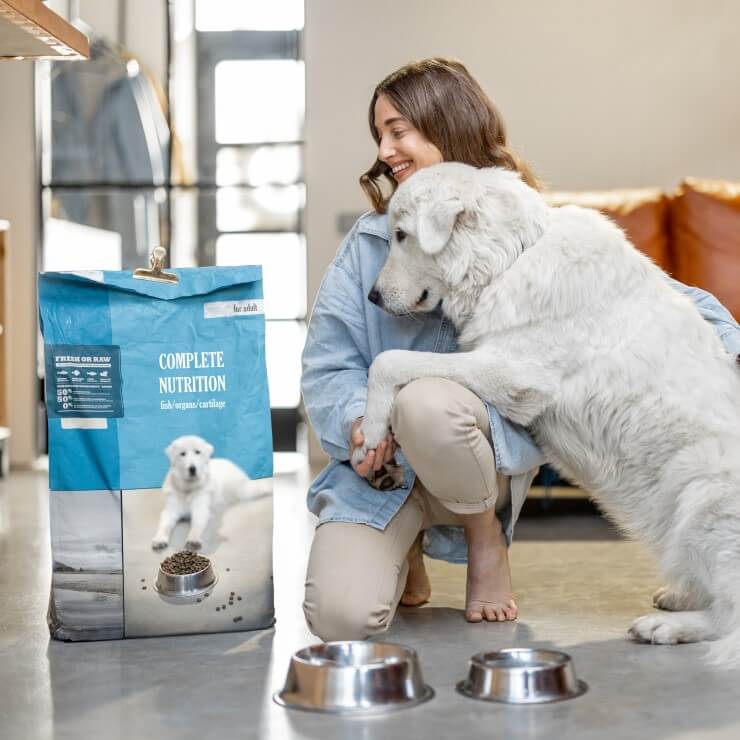
The pet food market is evolving rapidly, driven by shifts in consumer preferences, health trends and lifestyle changes. Pet owners increasingly see their animals as family — loved ones who deserve food that's not only nutritious, but also sustainably sourced, natural and tailored to their unique dietary needs. This changing view has prompted brands to rethink everything from pet food formulations to how their products are presented to consumers, making sustainable pet food packaging a key differentiator in an increasingly competitive landscape.
As the market grows, packaging design is adapting to prioritize what resonates most: convenience, sustainability and storytelling that sparks connection. Smaller, resealable portions, paper-based materials and eye-catching formats that draw inspiration from the human food market are helping brands capture attention on crowded shelves. At the same time, packaging can serve as the voice of a brand, conveying values, ingredient transparency and health benefits, while inspiring an emotional response from pet owners.
The result is packaging that combines functionality, aesthetics and brand messaging in fresh new ways. From unique designs that enhance the unboxing moment to innovative formats that align with a wellness-focused market, sustainable pet food packaging is becoming a vital touchpoint in the consumer journey — one that can influence purchase decisions as much as the product itself.
As a trusted packaging partner for pet food brands, here are three key trends we see driving innovative design in sustainable pet food packaging:
1. Wellness Wave Ripples into Recyclable Pet Food Packaging
Today’s pet owners want foods made with natural, clean ingredients — and recyclable pet food packaging that reinforces those values.
As pet owners increasingly recognize the benefits of nutrition that supports overall wellbeing for their pets1, they’re becoming more skeptical of ultra-processed pet food. Instead, they’re turning to foods that are organic, non-GMO, vegan, free from artificial colors or preservatives, or made with functional ingredients like probiotics.2 About 55% of dog and cat shoppers say they look for pet foods with supplemental vitamins, minerals and antioxidants.3 So, it’s no surprise that the global organic and natural pet food market is expected to grow 82% between 2024 and 2033.
Pet owners prioritize transparency and sustainability in their pet food ingredients, and they are increasingly seeking pet food packaging that reflects the same values, favoring recyclable pet food packaging made from sustainable materials like paper.4 Veterinary packaging trends also play a role, with brands emphasizing a natural aesthetic and clear ingredient information that align with what consumers see at their vet’s office, particularly for cat food packaging and dog food packaging.
“Pet food packaging has become an extension of the product — a way to signal that the food is good for the pet and good the planet,” said Chris Davidson, vice president of sustainability engagement at Smurfit Westrock. “Today’s consumers evaluate brands more holistically than ever before. When the product promise and packaging experience feel aligned, it strengthens brand credibility.”
Packaging Takeaway: For pet owners prioritizing wellness, recyclable pet food packaging can play as impactful a role as the ingredients inside.
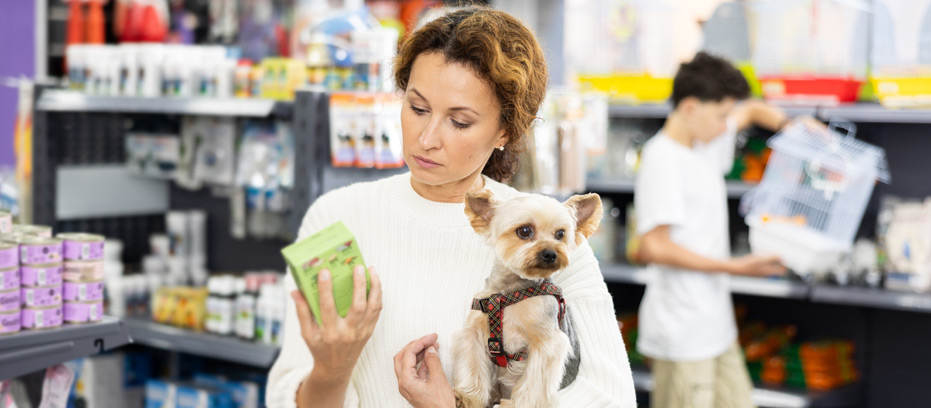
2. Premium Pet Food Packaging Creates Luxe Appeal
As pets are increasingly treated like family, more owners are gravitating toward premium foods, driving demand for premium pet food packaging that reflects the food’s quality and appeal.
Forget the backyard dog house — today’s pets are treated like true members of the family, or “so-called fur babies.”5As reported on by the BBC, a survey found that nearly of half of pet owners prioritized buying healthy food for their pets over themselves. From human-grade to freeze-dried to refrigerated, pet owners are choosing specialty pet foods that are chef-curated, formulated for a pet’s specific life stage6 and even delivered directly to their door. This has led to surge in direct-to-consumer pet food options, with the D2C pet food marketing projected to skyrocket more US$15bn by 2034.7 With refrigerated and frozen pet food being delivered directly to consumers’ doors, ecommerce packaging must not only protect, but also insulate.
Whether shipped or on the shelf, premium pet food comes at a premium cost. One pet parent, interviewed by the NY Times, estimates he spends about $100 per month on human-grade food, compared to $40 a month for dry kibble. When owners are investing that much, they expect packaging that feels equally elevated. Premium pet food packaging helps signal the food’s superior quality, freshness and nutritional value — reassuring buyers that their purchase is worth the price. From luxe designs to high-barrier materials that preserve flavor and safety, high-quality pet food packaging conveys trust and care before the bag is even opened. With top-tier dog food driving a lot of the category’s growth, a brand’s dog food packaging has never been more important in conveying quality and care.
Packaging Takeaway: Premium pet food packaging plays an essential role in communicating product quality and reflecting the devotion pet parents feel for their animals.

3. A Treat Evolution Raises the Stakes for Pet Food Displays
Inspired by the human snack market, pet food brands are reimagining treats as “snacks” — and retail displays are rising to the occasion to convert browsing into snacking sales.
In 2013, Starbucks introduced their puppuccino drink: a cappuccino-style treat safe for furry friends. In the years that followed, pet food treats have increasingly drawn inspiration from human snacks, fueled by shoppers’ desire to pamper their pets with a snacking experience similar to their own. This is especially prevalent in the dog treat market: According to Kantar Real IQ, of the shoppers who have 1-2 year old dogs, 65% buy dog treats and snacks that appear similar to human snacks.
With over 70% of American consumers saying that their purchase decisions are influenced by a product’s packaging, pet food brands are packaging dog treats and other pet indulgences in formats that mirror human snack products. These smaller “snacking” formats can be an easy, “quick grab” impulse purchase at retail — if positioned correctly. Paper-based retail displays that are designed to help these smaller packages pop in-store — from the checkout aisle to the counter — can turn browsing into buying.
Packaging Takeaway: Today’s pet owners want bite-sized treats that mirror the quality and experience of their own snacks, making paper-based displays that boost visibility and drive conversion central to winning at retail.
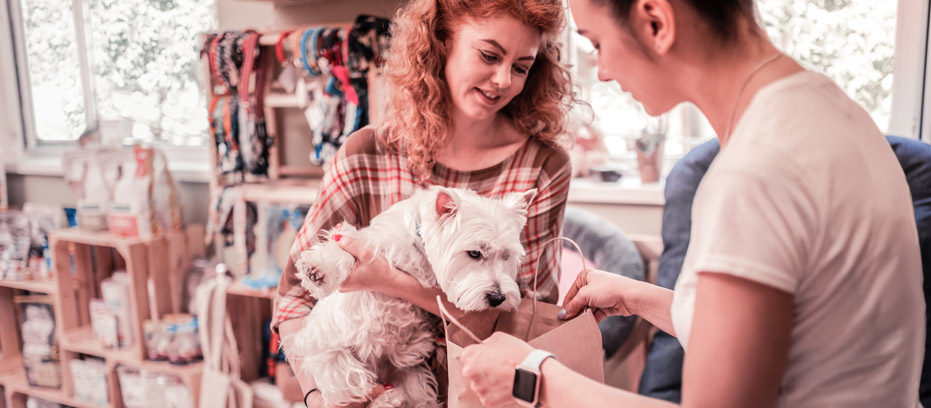
As pet owners increasingly treat their pets as members of the family, and expect brands to do the same, sustainable pet food packaging has become more than a container — it’s a platform for connection, communication and differentiation. Contact us today to learn how our pet food packaging can help you engage consumers and stand out in this competitive market .


Our Latest Blogs